Showing posts with label FEELINGS AND OPINIONS. Show all posts

Friday, March 9, 2012

THE CHILDREN'S HOUR (2012, Passasupang Kongbumrung, 180 min, A++++++++++)

เรื่อง (รัก) ลับของครูแคเรน

Though the performances by some actors in this lesbian play are not perfect, I still like this play very much, because I like stories like this. It deals with prejudice, discrimination, and evil in ordinary people in our societies. The reason why I like the story of THE CHILDREN'S HOUR is the same reason why I like the stories in these plays and films:

1.THE CRUCIBLE (2010, Malinda Pamornsuwan, stage play)
2.DOUBT: A PARABLE (2011, Ninart Boonpothong, stage play)
3.I-FAK (2004, Pantham Thongsangl)
4.THE JUDGMENT (1989, Permpol Choei-aroon)
5.THE MURDER OF MARY PHAGAN (1988, William Hale)
6.THE POB'S HOUSE (2010, Ukrit Sa-nguanhai)

Some scenes in THE CHILDREN'S HOUR are very intense. These scenes make me feel a strong urge to slap the faces of some characters in the play. It reminds me of the kind of feelings I had while I was watching the film WOMEN PRISON (1988, David Lam). In that Hong Kong film, the bitchiness of some characters and the extremely intense situations in the film make the viewers want to jump into the film to help the heroine fight against the villainesses.

As for THE CHILDREN'S HOUR, I also like the hairstyle, the costume, and the personality of the character Martha Dobie very much, because it unintentionally reminds me of the German actress Irm Hermann.

I think the ending of the play is interesting. It feels realistic to me. I wonder if I am the one who writes the play, instead of Lillian Hellman, how will I end the play? I think I may end the play by making it a revenge fantasy, instead of ending it realistically like this. I may end the play by making it resemble BAISE-MOI + DOGVILLE (Lars von Trier). In my imaginative ending, the heroines will get revenge at the end by killing Amelia Tilford, Mary, and some other people in the town, before they commit suicide.


Saturday, February 25, 2012

BLANKET (2008, Tossapol Boonsinsukh, second viewing, A+++++)

This short film is a part of the feature film UNDER THE BLANKET. It contains one long static shot of a girl trying to draw two lines on a paper, then she erases them, and trying to draw them and erasing them again and again. This long static shot lasts almost 9 minutes, and we never see the face of the girl in this shot. We only see her from the neck down.


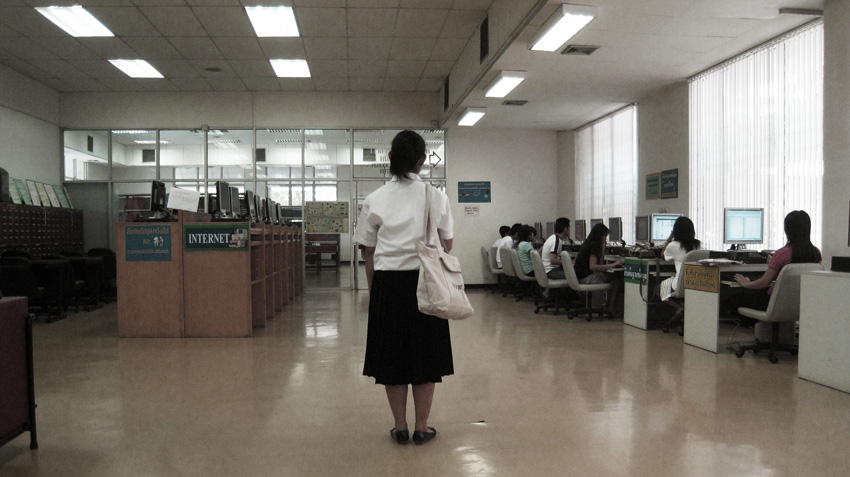
The scene in BLANKET (2008, Tossapol Boonsinsukh, A+++++) in the picture below seems to correspond to an empty parking lot scene in NICE TO MEET YOU (2005, Tossapol Boonsinsukh). In this scene in BLANKET, we hear a voiceover of a man, saying, "Monday. Begining on Monday. Tuesday, Wednesday. Thursday. Friday. Saturday. Sunday. Then returning to Monday."


NICE TO MEET YOU (2005, Tossapol Boonsinsukh, 25:28 min, second viewing, A+++++++++++++++)

There are many long static takes in this film, including the scene in the last picture, which lasts 5:50 min. We watch and listen to the protagonist's guitar-playing. His song is about a promise to remember. It's one of very few long static takes in Thai cinema at that time.

However, my most favorite scenes in the film are two scenes of extreme long shot. In the first one, which lasts about two and a half minutes, we see the protagonist (Patavee Viranuvat) sits in the middle of an empty parking lot, reading some incomprehensible things. To watch a character from afar reading some incomprehensible things for two and a half minutes is not something easily found in Thai cinema. The second scene that I like very much is the scene in which the protagonist plays with his female friend in the parking lot. They play rock-paper-scissors game. The loser must jump and clap his hands in the air. This scene is extremely cute and memorable, partly because it is in extreme long shot.


Saturday, February 18, 2012

THE SHADOW BOX เงามัจจุราช (2012, Damkerng Thitapiyasak, A+++++++++++++++)

There are many things I like in this play, including:

1. The ending of the play, which seems to tell us that, "Whenever you are happy, don't forget you are going to die in the future." This kind of ending corresponds to my philosophy on life. It also reminds me of the ending of the film 5x2 (François Ozon), which seems to tell us that, "Whenever you are falling in love, don't forget it can end badly."

2.I like the stage decoration in this play very much. There are only two main props on the stage: a white chair with seems to hide a black chair in it, and a strange two-part wall which can be moved around in numerous ways. I like the moving around of this strange wall very much.

3.I like the character played by Peerapol Kijruenpiromsuk the most. This character is a money boy with a heart. There are three stories in this play. The story about this money boy somehow reminds of the films of Rainer Werner Fassbinder.

4.The story about a dying father, a mother (Sumontha Suanpolrat), and a son/daughter in this play is theoretically the least interesting in my point of view, but the play somehow makes this dull story very watchable, thanks to the great performance of the ever-reliable Sumontha. Though the story seems to present nothing new for me, the emotions of the actors are very strong and convincing. The moment that I like very much is the moment that Sumontha tries to talk about the airhostesses, but she cannot control her emotions anymore and bursts into tears. I also like the unreasonable quarrel between the wife and husband over the pestle very much.

5.The story about an old woman and a spinster daughter is very interesting. I admire the patience of the daughter in this story very much.

In conclusion, I worship the script and the performances in this play. If I have to match this play with a film, I will match it with COMING TO TERMS WITH THE DEAD (1994, Pascale Ferran).


Friday, February 17, 2012

VARIOUS WAYS TO DEAL WITH LOVE (RAINBOW VERSION) (2012, Pisal Pattanapeeradech, A+/A)

สารพัด...จัดสรร "รัก" ฉบับสีรุ้ง

Theoretically, this is the kind of stage plays I like very much. It is about gays and sexual ambiguities. It feels very intimate. It is about people talking about problems in their lives and relationships. It is not very different from an Eric Rohmer's film. It also reminds me of SAME OLD SONG (1997, Alain Resnais), because characters in this play burst into songs from time to time.

But I give it only A+A, because I think it lacks some "magic". It lacks some kinds of magic which will make this play very touching. However, I myself don't know what this magic is. I don't know exactly how to improve this play. I only feel that there's something missing from this play.

Or maybe there's nothing missing from this play. What is missing is my own life experience, the kind of experience which can make me identify myself more with the characters, or make me sympathize more with the characters. Though this play is about gays and sexual ambiguities, I can't identify myself much with the characters. They are very interesting characters: an effeminate guy who used to be married to a woman (Pisal Pattanapeeradech), a married guy who prefers to spend time with a male friend rather than with his wife (Pongtaris Juntara), a straight boy who has sex with a transvestite, a straight guy who has sex with a transsexual (Chatdanai Musigchai), and a married guy who likes to have sex with many men. These characters are very interesting "case studies", but I'm not sure if the play is really successful in making these characters become something more than "case studies", or become "human beings".

The scene which touches me the most is the scene in which Pisal sang the song I'M LONELY by Anchalee Jongkadeekij. It is very easy for me to understand the loneliness of Pisal's character in that moment. The lustful character (Nammon Joiraksa) also reminds me of some gay friends. But I can't sympathize much with the other three characters. Maybe it is because I wish they chose to continue exploring having sex with men/transvestites/transsexuals, instead of choosing to go back to their wives. Hahaha.
http://www.youtube.com/watch?v=h2nMI8Oma-4

In conclusion, I still like this play a lot, because it deals with how inadequate our vocabulary is for sexual orientation.


THERAPY (2012, Nophand Boonyai + Dujdao Vadhanapakorn Boonyai, A++++++++++)

This stage play gives a new experience for me -- it presents us a real-time session between an art therapist and his client/patient. It shows us how an art therapist works, and it may help us deal with our own emotional problems indirectly.

What I like very much in this play includes the character of the patient's wife (Donruedee Jamraschai). She is so interesting as a character that I regret she is not the main character in this play. I like it very much that she dares to comment on the clothes of the therapist's assistant. I think most people don't do things like that. So when Donruedee's character does that thing, I think this character has a very interesting personality, or even a very interesting psychological or mental problem. If this character becomes a main character in a film, I think that film has the potential to be as great as SEPTEMBER (1987, Woody Allen) or ANOTHER WOMAN (1988, Woody Allen).

The character of the therapist (Anupun Pruegpunkajee) is also very interesting. He is the opposite of me. He is very calm and can control his emotions very well. I wish to be like him. I think I get angry very easily, though not as violently as the patient in this play (Saifah Tanthana). Watching this play makes me realize how our emotions can get out of control very easily, and how we might be able to calm ourselves down.

Talking about mental problems, I think one film which presents a mental problem which is very similar to mine is SMOKING/NO SMOKING (1993, Alain Resnais, A+30). There's a scene in this film in which Sabine Azema tries to organize her own shop in a fair, or something like that, but she can't do it in time, and then she has a nervous breakdown. That scene reminds me of my own anxiety. I'm always worried that I cannot do my work, or I cannot do it well, or I cannot finish it in time. Maybe I need to see some therapists.


IT GETS BETTER (2012, Tanwarin Sukkhapisit, A++++++++++)

What I like the most in this film may be its intricate plot, though I feel some parts of the film seem too rushed, especially the scene in which a divorce decision is made. There are so many decisions made in five minutes in that scene that I think it would have taken a week for me to make so many important decisions like that.

Apart from that point, I like nearly everything in this film. I also like it very much that there's no real redemption for the homophobic father in this film. Many films in this world try to teach us that we should not neglect our own parents. However, every parent is different, and some parents really deserve to be punished, neglected, or kept at a distance. IT GETS BETTER is one of very few films that I love because it presents a father who may deserve to be neglected or kept at a distance. (That is the same reason why CRY IN SILENCE (2006, J. G. Biggs) is one of my most favorite films of all time.)

If I have to screen IT GETS BETTER with another film, I may choose to screen it together with INCENDIES (2010, Denis Villeneuve, Canada, A++++++++++++++++++++++++++++++), because both films deal with unpredictable family relationships and have excellently intricate scripts.


Wednesday, January 25, 2012

TWENTY YOUNG INDEPENDENT THAI DIRECTORS

The article below was first published two years ago in Indian Auteur website.

Twenty Young Independent Thai directors:
(in alphabetical order)

1.Alwa Ritsila

Alwa Ritsila and Komvish Zally shocked many audience in 2008 with their Mofo Life Size Doll (2007, 25 min), an unrelentingly brutal film using dolls as characters. The main character of this film rapes, tortures, kills, and crucifies other characters. This kind of extreme brutality can also be found in other films directed or co-directed by Alwa. Though the cruel stories in his films make some people want to look away from the screen, other people feel drawn to the beauty of the cinematography and the perfect use of the soundtrack in his films. Another interesting work of his is The Witch (2009, 29 min), which he co-directed with Phatamon Chitarachinda. In this film Alwa played all the three main characters by himself—the masturbating father, the virgin daughter, and a witch who loves drinking the blood of a virgin. It ranks as one of the most brutal films I have ever seen, but I can't deny its cinematic power. Alwa is the dark lord of Thai cinema. Some of his films can be watched at: http://www.youtube.com/user/madmadmaniv


2.Arpapun Plungsirisoontorn

Arpapun made Repeating Dramatic (2008, 8 min), which is one of the best Thai political films in 2008. In this film, an extremely melodramatic scene from a soap opera is replayed for numerous times. The colors of the scene are increasingly fading each time the scene is replayed, until what remains on the screen looks like moving mass of ugly colors. The audience also hears a radio report of political news during the same time. This film reminds me of the sad political history of Thailand, in which military coups have been staged frequently, even in 2006. The country has always been stuck in a vicious circle, like a melodramatic scene which is forever repeated and unable to move forward. Arpapun also made Fairy Feminine (2009, 29 min), which tells a twisted fairy tale about a relationship between a mother and a daughter. The mother looks like an angel, a witch, and a lesbian rolled into one. The prince in this film performs the role of a seducer instead of a rescuer-hero. And the seven dwarfs in this film look like a gang of rapists. Maybe this is a perfect fairy tale for children in our postmodern time.


3.Attapon Pamakho (born 1985)

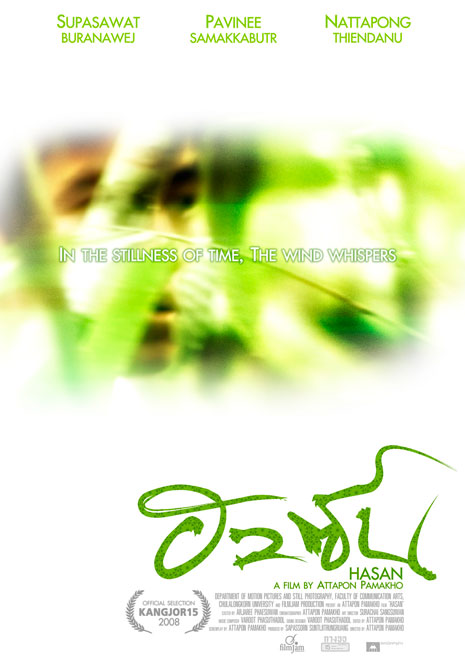
Attapon made Hasan (2008, 29 min), which is one of the most touching gay films I have ever seen. It deals with a married Muslim man who has an affair with his wife's brother. The story is very daring compared with most Thai films, and the cinematography is gorgeous. Hasan is successful in expressing the inner torment of the husband, the role of which is excellently played by Supasawasdi Buranawate. It reminds me of the power of another great gay film—Priest (1994, Antonia Bird). Attapon also co-directed Seaport (2006, 22 min) with Benya Poowarachnan. This documentary deals with immigrants from Myanmar who are living with difficulty in a province in Thailand, and the racial prejudice of Thai people. Seaport shares one thing with Hasan--the use of music in both films' ending scenes brings tears to my eyes.

Hasan (2008, Attapon Pamakho)
http://farm4.static.flickr.com/3154/2613435824_b7f50db892_o.jpg


4. Chaiwat Wiansantia

Chaiwat Wiansantia made Fragrance of the Wind (2007, 26 min), and Wake Up Time (2009, 10 min), both of which are like semi-experimental, semi-documentary films. They seem to tell no obvious stories, and focus on landscapes. I think the story of Fragrance of the Wind is about a person who is bored with living and working in a big city and decides to go visiting his rural hometown for a while. The film can capture the rural landscape, or the soul of the rural landscape, very well. It seems to be able to transport the pleasant atmosphere of the rural areas into the screening room miraculously. I felt as if there was a magical wind blowing in the screening room while the film was shown. I felt as if I could smell the damp earth soaked with rainwater while I was watching the film. Wake Up Time portrays a group of people who go to a seaside. The film lets us see their seemingly insignificant activities—walking, talking, painting—and interspersed them with seemingly unconnected scenes, such as scenes of a neon lamp going on and off, or scenes of a taxi. The "seemingly-illogical" editing helps create some magical feelings and makes this film very much different from a mere home video. You can watch some of Chaiwat's films at this Youtube channel: http://www.youtube.com/user/jas0146012


5.Chaloemkiat Saeyong

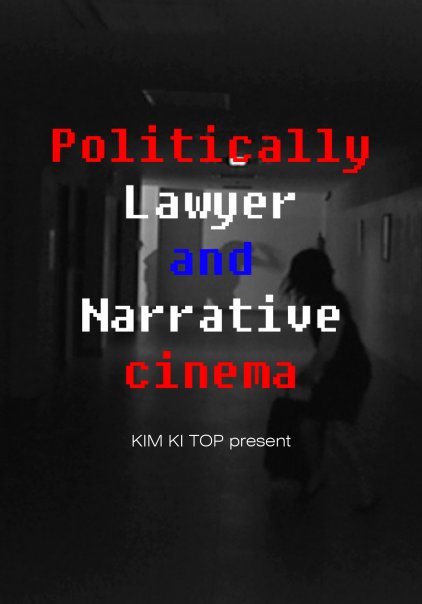
Chaloemkiat Saeyong's masterpiece is Politically Lawyer and Narrative Cinema (2009, 27 min), which plays with many elements of cinema. The film tells a fictional story about a murder in an airport and uses this murder to remind the viewers of the real case of Somchai Neelaphaijit, a Thai political lawyer who disappeared in 2004. Wiwat Lertwiwatwongsa, a Thai film critic, makes an interesting observation that the film seems to both tell a story and destroy its story at the same time. The film is extremely self-reflexive and has numerous weird things in it. For example, both the English title and the Thai title of this film are "intentionally" grammatically wrong. The film shows us a lecture room or a corridor in a building, while a text appearing on the screen says that the audience must imagine that what they see is an airport. The film reminds me of some weird and wonderful films by Jean-Luc Godard. Chaloemkiat also made Peru Time (2008, 18 min), which lets us watch a sunset for 18 minutes while some unreadable texts keep appearing on the screen. Wiwat compares this film to the opening scene of India Song (1974, Marguerite Duras). Chaloemkiat also made A Place of Different Air (2008, 24 min), in which the images appearing on the screen change their sizes from time to time. This semi-documentary, semi-experimental film is about a family who has just moved to a new place, and the different image sizes seem to emphasize the contrast between the old place and the new place.

Politically Lawyer and Narrative Cinema (2009, Chaloemkiat Saeyong)
http://farm3.static.flickr.com/2693/4173042455_ff6e48dde1_o.jpg


6.Chawit Waewsawangwong

Chawit Waewsawangwong made Fireflies (2005, 4 min), which presents beauty neon lights in Bangkok, while an electronic dance song is played. The editing of this film corresponds perfectly with the song rhythm, and it can be considered one of the most beautiful dance music videos ever made. I also like it very much that the film seems to celebrate neon lights and night life in Bangkok, instead of doing what some other Thai films and some other Thai artists do—trying to portray Bangkok as a one-sided place of evil and ugliness and looking down on night life. I consider this film as possibly one of the three most beautiful films about Bangkok. The other two are Rough Night (2001, Samart Imkham, 22 min) and Bangkok at 21:42 hrs (2001, Thanes Maneejak, 3 min). Chawit also made some good animations, such as Enough (2007, 3 min) and Continue (2005, 2 min). I also love Hate (2004, 2 min), in which we see someone intending to kill someone, but the film minimally and effectively tells its story by letting us see only the tip of a cutter moving closer to its victim.


7.Chulayarnnon Siriphol (born 1986)

Chulayarnnon made Hualampong (2004, 12 min) when he was a high-school student. This film observes an old man who frequently came to a railway station to take photos. There is nothing dramatic happening during the whole film. The film observes this man very patiently. This film drastically changed the attitude people had had towards Thai high-school students-filmmakers. Before this film, we used to think that high-school students only made funny films. After this film, we know we can never underestimate these teenagers any more. Chulayarnnon's masterpiece is Danger (Director's Cut) (2008, 14 min), which tells a story about a murder in an apartment building. What makes this film extraordinary is that the script of this film and some harsh comments on this film are also inserted into the film. We see texts from the script and texts commenting on the film appearing on the screen from time to time. This film is originally made as a thesis in a university. The harsh comments were made by a teacher. When we watch this film, we don't only see a murder story, but we also learn about its narrative structure and the bias against this film. I have never seen a film as self-reflexive as this before. An instant classic!


8.Janenarong Sirimaha (born 1987)

Janenarong made I Scream (2008, 21 min), which is a very entertaining horror-thriller film, though the film is as good as many good films in its genre. It doesn't transcend its genre. However, Read Me! (2008, 17 min) proves that Janenarong is a talent to watch. This film, which is about a female university student who can read other people's minds, is hard to categorize. It is extremely entertaining and can please general audience as much as a good mainstream film, but it is very different from most Thai genre films or most Thai mainstream films because it doesn't let itself be bound by the rules of any genres. It keeps on surprising the audience until the end. Janenarong also made Ying and Wan (2008, 7 min), a very funny film in which an actor played five characters. This low-budget film proves that creativity, not money, is the best thing you can rely on when making a film, no matter whether the film is a pure entertainment or a work of art. You can watch Janenarong's film at http://www.youtube.com/user/shuckwow .


9.Napat Treepalawisetkun (born 1990)

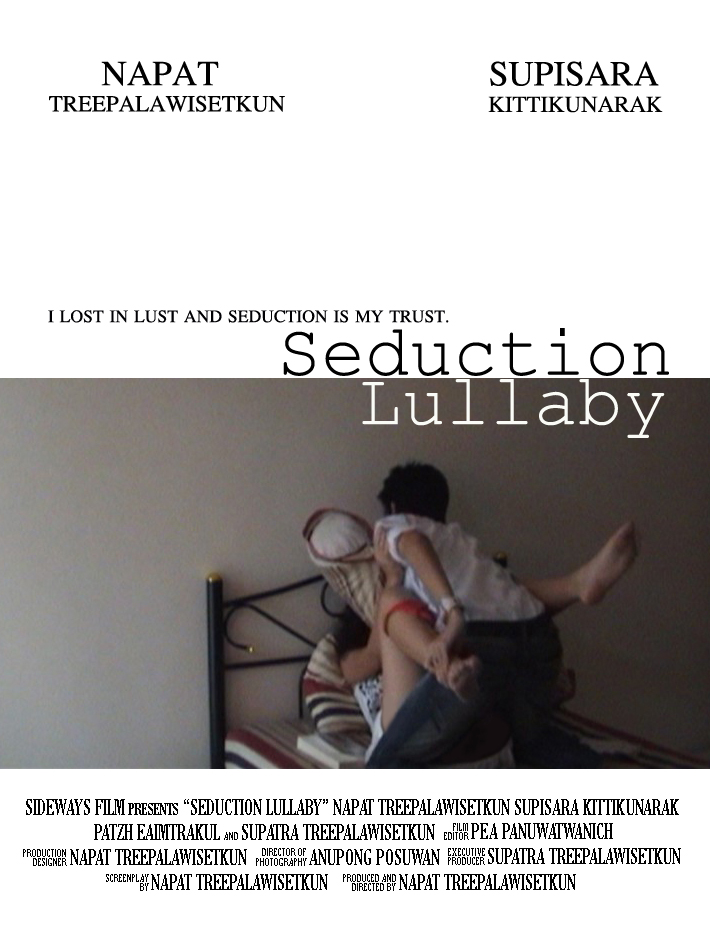
Napat likes John Waters and Michael Haneke, and this fact is obviously shown in his films. Nene, who gives maddeningly fierce, wild, raw, and extremely memorable performances in many of Napat's cult films, is his own Divine. A Series of Salinee Event (2007, 14 min), which was made while Napat was still a high-school student, tells the story of a woman (Nene) who hires a killer to kill someone, which turns out to be Salinee herself. This film made Napat stand out from other Thai teenage filmmakers, because the film has a very complicated narrative structure, and the extreme violence in this film is shown in a serious mode, while most films made by Thai teenagers show violence in a playful, funny mode. I Will Rape You with This Scissors (2008, 13 min), which stars Nene as a demented mother who may or may not kill her own daughter, also has a perplexing narrative structure. It even has a deeper layer of meaning. This cult film is actually a satire on the censorship of Syndromes and a Century (2006, Apichatpong Weerasethakul). While most of Napat's earlier films may show the influences of John Waters, the influences from Haneke become obvious in Seduction Lullaby (2009, 23 min), a feel-bad film which tells a story about rapes and guilt. The characters in this film don't expressively show their feelings as in Napat's earlier films. They carry enormous pain inside. Napat also made It's Hard to Say How I Love You, Captain Hook (2009, 10 min), which tells a story of a mother who patiently takes care of her disabled son. The film is very interesting because it doesn't seem to belong to any obvious genres. It is not a feel-bad, a comedy, a black comedy, a satire, or a tear-jerking drama. It is just itself. It also indicates that Napat's directing styles may evolve very fast.

Seduction Lullaby (2009, Napat Treepalawisetkun)
http://farm4.static.flickr.com/3240/3877700467_302de07f6a_o.jpg

It's Hard to Say How I Love You, Captain Hook (2009, Napat Treepalawisetkun)
http://farm3.static.flickr.com/2536/4173042459_d5e643eaf9_o.jpg


10.Nawapol Thamrongrattanarit (born 1984)

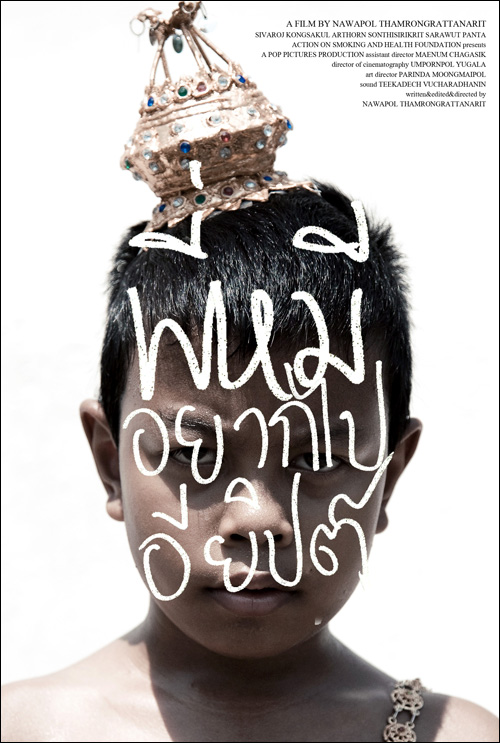
Nawapol works both independently and for studios. He became famous for See (2006, 9 min), which observes his own father while he is making fried rice, eating, and watching TV. The film also has what would later turns out to be Nawapol's signature styles, namely static camera, long take, and long shot. Though Nawapol uses some arthouse styles in his films, his films are very different from many arthouse films because there is a Nawapol's brand of humor in his films. I don't know how to define his kind of humor. I think I should just give some examples. The story of Giraffe (2007, 3 min) takes place when the world is about to end after 300 Malaysian giraffes died. Two people want to listen to a song before the world ends, but the song they end up listening to is So Dem a Com by E-Type. In his documentary Shit Happens (2003, 52 min), Nawapol talks about the problems his family has with dog excrement in front of his house. He didn't only interview his own family and neighbors, but also interviewed a lawyer about how to deal legally with this problem. I find this kind of things very funny, but this kind of humor is not often found in films made by other people. Another example of this can be found in Mr. Mee Wanna Go to Egypt (2009, 20 min), which is actually made for a no-smoking campaign, but the film presents a child character who keeps saying, "Let's smoke," for numerous times. Nawapol also proves that he is able to make serious films. Francais (2009, 30 min) effectively portrays many problems a blind university student faces while studying, and Nawapol's signature styles help very much in preventing this film from becoming a tear-jerking melodrama.

Mr. Mee Wanna Go to Egypt (2009, Nawapol Thamrongrattanarit)
http://farm4.static.flickr.com/3445/3761297679_db6ba1fb30_o.jpg

Francais (2009, Nawapol Thamrongrattanarit)
http://farm5.static.flickr.com/4009/4173042465_b912936e30_o.jpg


11.Prap Boonpan (born 1981)

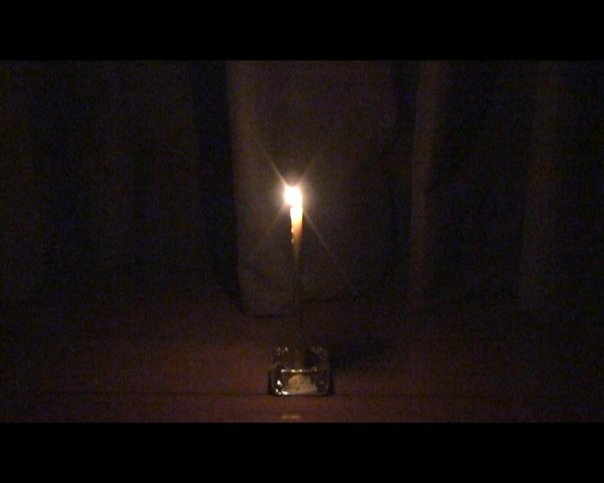
Prap Boonpan, whom I consider a leader of Thai political films, impressed me a lot with his Two Worlds in One World (2004, 18 min), which deals with the problems of the film The Siam Renaissance (2004, Surapong Pinijkhar), which may or may not present Thai historical facts, and may also present some wrong attitudes. Prap presents the problems of that film and his arguments very straightforwardly. He makes the characters in Two Worlds in One World talk about these problems and he uses his camera to focus on some historical textbooks in extreme close up, so that the viewers can read what is written on the textbooks. I like this kind of technique very much. It reminds me of some foreign essayistic films or some films by Jean-Luc Godard, but I had never found this kind of argumentative techniques employed in Thai films before. Prap uses this technique again in Letter from the Silence (2006, 5 min), in which he uses a camera to focus on a letter written by a Thai taxi driver who heroically committed suicide to protest the military coup in 2006. I had read this powerful letter before I saw this film. I liked the content of the letter very much, but it didn't have a strong effect on my feelings when I read it on a website. However, when the letter is presented in this film, the power of its words seems to increase exponentially and unexplainably, and this time the letter can make me cry. Maybe the film lends an "aura" to the letter. This technique is used again, but by a younger director, in a film called Women in Democracy (2009, Atthawut Boonyuang, 6 min), which is one of the best Thai films this year. This fact seems to indicate that Prap may have some influences on younger directors. Prap's masterpiece is The Bangkok Bourgeois Party (2007, 28 min), which condemns many bourgeois people who support the military coup. It contains an instant classic scene—a three-to-five minute blackout scene in which the viewers see nothing and hear nothing. This scene comes after the bourgeois characters kill a character who thinks differently. Though many films by Prap contain a lot of dialogues or texts, there are some films in which he turns to use some symbols, instead of texts or dialogues, to convey his messages. This group of films includes Culture and Nature (2008, 3 min) and the latter part of The White Short Film/The Candle Light (2009, 20 min), which earns him the R.D. Pestonji award. This award-winning film consists of two parts. In the first part, we see a man and a woman reading a script about the political situation in Thailand in late 2008 and early 2009. In the second part, we see a man watching a candle in a TV. This film, together with Culture and Nature, makes me contemplate about the future of Thailand. I think in the future if someone wants to write a book about Thai political films, Prap Boonpan is one of the names which must be included in that book.

Culture and Nature (2008, Prap Boonpan)
http://farm5.static.flickr.com/4010/4173042467_c545855603_o.gif

The White Short Film/The Candlelight (2009, Prap Boonpan)
http://farm5.static.flickr.com/4009/4173042469_647e372297_o.jpg


12.Prateep Suthathongthai (born 1980)

Prateep is an artist who makes photos, videos and video installations. He cleverly explores the themes of minorities and ethnicity in Thailand via his videos Where Are Thais From? (2007), and Explanation of the Word 'Thai' (2007, 2 min). In Explanation of the Word 'Thai', we see a Phu-Thai guy reading Thai history out loud by using his own local dialect, which makes his reading incomprehensible to many Thai viewers, especially Bangkokians. The video also presents some karaoke texts, so that the viewers can pronounce what the guy is saying, but still don't understand what the guy is saying. Wiwat Lertwiwatwongsa observes that this video makes the viewers realize that Thailand is not composed of only Thai people, but composed of people from many ethnic groups who have diverse cultures. The viewers also realize that some groups of people are marginalized by Thai mainstream culture, and these minorities are not mentioned in the definition of the word Thai which they are reading. I also like Moving Cameras – October 27 (2009), which is a video installation of Prateep. This video installation, which is composed of four TV sets, shows us the views from a camera which is passed from one person to another person to another person, and so on. This video installation, which may be about some abstract ideas, unintentionally makes me realize that in order to see the whole thing or to understand a thing completely, we should watch it from various viewpoints, observe it from various angles, or maybe listen to people who think differently.


13.Ratchapoom Boonbunchachoke (born 1987)

I have seen only three films by Ratchapoom, but I'm sure this director, who is also an avid cinephile, will go very far. His films include Unpronoucable in the Linguistic Imperialism of Yours (2008, 3 min), which is a mockumentary about a Thai female artist who opens her house to let people come in and watch her masturbating. This film makes the viewers realize that we rarely see a heroine expressing some sexual satisfaction in Thai films or Thai TV series. We more often see Thai villainesses expressing this kind of feelings. This film touches on some taboos in Thai media which we may not have noticed before. Ratchapoom tackles taboo subjects again in Mermaid Wearing Pants (2009, 7 min), which is composed of found footage from many banned films, including Salo, or the 120 Days of Sodom (1975, Pier Paolo Pasolini). This film also reminds us of some political taboos in Thailand. Ratchapoom's masterpiece is Bodily Fluid Is So Revolutionary (2009, 41 min), which tells a story of a gay couple who encounter a serious relationship problem when one of them becomes allergic to any bodily fluid coming out of his lover. The allergic one seeks help from a female doctor, who eagerly volunteers to have sex with her own patient, while his lover resorts to masturbation. What makes this film special is its self-reflexiveness. The images in this film are strangely disrupted from time to time, as if the film is shown via a scratched or damaged DVD, but the characters also realize that they exist in a scratched DVD and try to escape from it. Wiwat Lertwiwatwongsa observes that this film does not only tackle some sexual taboos, but is also about the relationship between film viewers who become allergic to arthouse films, critics who provide the cure, and filmmakers who are accused of masturbating themselves by making incomprehensible films.

Bodily Fluid Is So Revolutionary (2009, Ratchapoom Boonbunchachoke)
http://farm4.static.flickr.com/3567/3575828303_4d4471f10b_o.jpg
http://farm4.static.flickr.com/3354/3575828309_aa8a625085_o.jpg


14.Sompot Chidgasornpongse (born 1980)

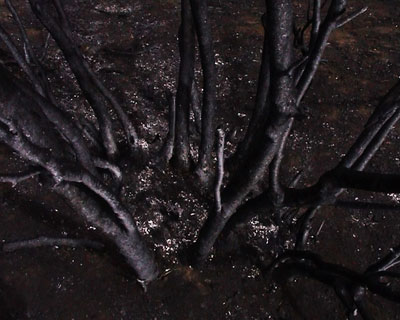
Sompot's first film is AUAD DEE (2003, 10 min), which impresses me a lot because it is like an essay. In this film we see a young man, who is supposed to be a representative of a certain group of Thai teenagers, expressing his opinions on many social trends for nearly 10 minutes. But in the end we hear the voice of a narrator expressing some scorn on this man. I think Sompot made this film in order to express his opinions on other people's opinions, and he succeeded. His method may be easy, but I like its straightforwardness and its difference from most Thai films. Sompot made another essay film called Diseases and a Hundred Year Period (2008, 20 min), which talks about the censorship of Syndromes and a Century. He also made some atmospheric films, including Bangkok in the Evening (2005, 16 min), Andaman (2005, 16 min), 8,241.46 Miles Away From Home (2006, 6 min), and Landscape 101 01 1101 01 ... (2007, 28 min), all of which seem to present "landscape" as one of the main characters. All of them are documentary-like and very slow. In this group of films, I prefer Landscape 101 01 1101 01 ... the most. This film explores the landscape of a burnt forest very patiently. I love its extreme slowness and the fact that the images in this film become blurred from time to time. However, it is interesting that Sompot changes the rhythm of his films after that. Physical Therapy (2007, 1 min), which is about a woman running in a desert, and Yesterday (2008, 13 min), which is about the hectic lives of Thai students in USA, are fast-paced, and it indicates that Sompot is a director who may like to change his styles from film to film in order to fit the different themes of each film. I can't wait to see his thesis film Are WeThere Yet?.

(I want to note that Sompot used to be an assistant director of Apichatpong Weerasethakul, and many other people who used to work with Apichatpong have turned out to be great independent directors, too. These great directors include Nitipong Thinthupthai, Phaisit Phanphruksachat, Santiphap Inkong-ngam, Suchada Sirithanawuddhi, Supamok Silarak, and Teekhadet Vucharadhanin.)

Landscape 101 01 1101 01... (2007, Sompot Chidgasornpongse)
http://farm3.static.flickr.com/2557/4173042461_3835a7f62b_o.jpg

Yesterday (2008, Sompot Chidgasornpongse)
http://farm3.static.flickr.com/2606/4173799498_c69ecd0e57_b.jpg


15.Supakit Seksuwan

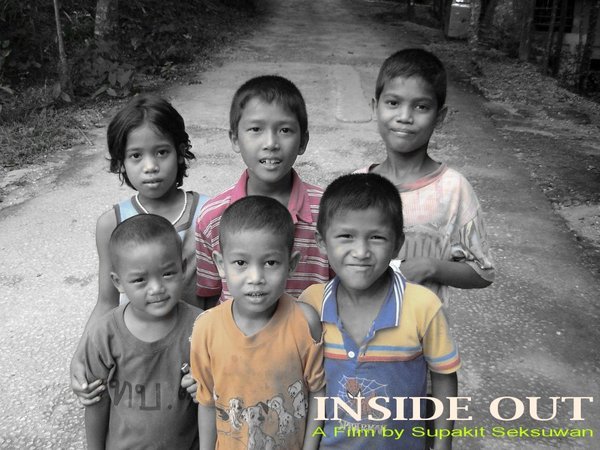
What I love in many of Supakit's films is its free flowing and its incomprehensibility. Some of his films seem to defy logic and make the viewers ask, "What is happening?", "What does this scene mean?", "What does the whole film mean?", or "Why was this scene inserted into the film, because it makes no sense at all?" Having said that, I don't want you to misunderstand that Supakit's films are very arty. In fact, his films seem to be cheaply made, and observe no rules of film aesthetics. This quality turns out to be the reason why seeing his films is a very refreshing experience. His films are the opposite of many films made by film school students who strictly observe the rules of what good arthouse films should be. In I Open at the Close (2009, 12 min), Supakit lets us see many unimportant activities in a university. Most viewers don't understand what this film is trying to say. I don't either. But it is a pleasant experience to see a film which seems to be bound by no rules, except the feelings of the director. There's one scene I like very much in this film. It's the scene in which the camera stalks a young student for a long time. It stalks this student for no obvious reasons, and it stops stalking when the student seems to realize that he is being stalked. I also love Inside Out (2009, 21 min) and The Love (2007, 8 min), two documentaries of his. The first is about a group of rural children who talk about many trivial things. The second is about his grandparents. What I like in these two is the feeling that Supakit might not know what was going to happen in the next minute or the next second when he was shooting these documentaries. It seems as if Supakit just let the subjects of his documentaries express their true selves and enjoy themselves, instead of trying to control his subjects in order to make his documentary serve some purposes or convey some messages. My most favorite film of Supakit is Prognostic (2009, 8 min), in which we see a guy walking and doing some activities, while the images of these activities are manipulated in various ways, such as being turned upside down, being blurred, or being affected by some special computer effects. It's a real "experimental" film. You can watch some of Supakit's films in his Youtube channel: http://www.youtube.com/user/venerator

Inside Out (2009, Supakit Seksuwan)
http://farm3.static.flickr.com/2656/4173799488_c8e4bb7c0e_o.jpg


16.Suphisara Kittikunarak

Suphisara made Thom (2009, 30 min) and Passion Sonata (2009, 13 min), both of which deal with sex in a very interesting way, or in a way I had never seen in Thai films before. I guess she can be called the Thai Catherine Breillat. Thom deals with a young woman whose husband just died. She decides to keep his corpse in her bedroom, becomes a prostitute, does some weird activities, flirts with a young boy, and shaves her head. Suphisara also plays the lead role in this film, and she did really have her own head shaved. That shows how devoted she is to her film. Passion Sonata deals with a young lesbian couple who sometimes have sex in a tennis court, and a gay couple who live nearby. One of the gay couple (played by Napat Treepalawisetkun) likes to play violin after making love. Trouble seems to happen when one of the lesbians tries very hard to rape one of the gays. Nearly all of these things in both of her films are presented in an objective tone. While most Thai filmmakers may try to present this kind of stories in a comedic tone or in a melodramatic tone, Suphisara tells her story in an objective tone, which reminds me of some Austrian films by Barbara Albert, Ulrich Seidl, or Michael Haneke.


17.Tanatchai Bandasak (born 1984)

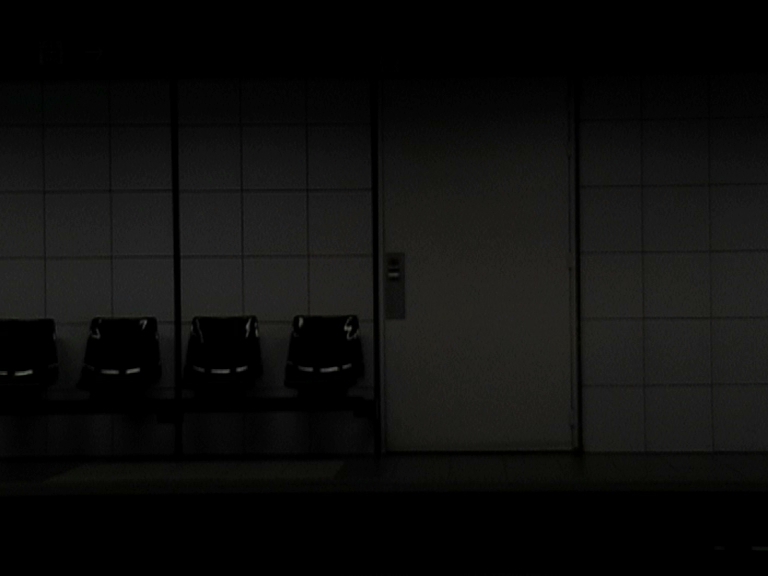
I have seen five films by Tanatchai – Drift (2008, 3 min), Endless Rhyme (2008, 26 min), Lalita (2008, 5 min), Swamp (2008, 3 min), Sweetheart Garden (2009, 22 min) – and I don't think I understand them. I just know that they are very poetic and their beauty is beyond my ability to describe. Lalita may be the easiest film to be described. It is composed of found footage of two TV series starring Lalita Panyopas, a famous Thai actress in late 1980's and early 1990's. She stars in some melodramatic TV series, but the film 'Lalita' turns the found footage of these TV series into something very haunting. Some original TV scenes are slowed down, and some sound effects are added. It is as if Tanatchai had turned a found footage from Melrose Place and Beverly Hills, 90210 into Twin Peaks. I think Tanatchai is an expert in using sound. Drift presents us the drifting of one noise to another noise to another noise, and so on, while we see an image of a policeman gradually turning into some abstract images. Swamp lets us hear the voice of a radio DJ, while we see an image of an eye falling down into a swamp. My most favorite film of Tanatchai is Sweetheart Garden, which also has some haunting sound effects. In this film we see some unconnected gorgeous images, such as images of a dark corridor, a man watching TV, a porn theater, a wasteland with some historical images superimposed on it, a zoo in fog, the breast of a woman, etc, while images connected to train, such as images of a platform, a railway, or a tunnel, are interspersed between these unconnected images. The ultimate sublime feelings I have while seeing Sweetheart Garden reminds me of the experience of seeing Take the 5:10 to Dreamland (1977, Bruce Conner). Both Bruce Conner and Tanatchai Bandasak make films which defy explanation.

Sweetheart Garden (2009, Tanatchai Bandasak)
http://farm5.static.flickr.com/4047/4173799490_9eb2b6e9a4_o.jpg


18.Tossapol Boonsinsukh (born 1982)

Tossapol, who is also a writer and a musician, has already made about 100 short films, and he also made two feature films – Afternoon Times (2005, 90 min), and Under the Blanket (2008), the latter of which is actually composed of a few short films strung together. I think I may have seen only 25 of his films. What I like the most in his films is its extremely atmospheric quality. An obvious example of this can be found in No One at the Sea (2005, 3 min), in which we only see an image of a seashore while hearing a piece of piano music. Tossapol is also great in using his feelings, emotions, and instinct in making films. This fact makes some of his films "incomprehensible" but "emotionally overwhelming". Some films of his are composed of unconnected scenes strung together, such as Don't Warm Egg in Microwave Or Else It Will Explode! (2005, 14 min), and Life Is Short 2 (2003-2006, 14 min). I don't understand the logic behind the juxtaposition of the scenes in these two films. All I know is that Don't Warm Egg in Microwave Or Else It Will Explode! makes me feel so happy after seeing it, while Life Is Short 2 makes me feel so melancholy and uplifting at the same time. What I also love in Tossapol's films is the feelings of loneliness, but the loneliness in his films is not the kind of loneliness found in Wong Kar-wai's or Tsai Ming-liang's films, but it is the kind of loneliness found in Jun Ichikawa's films. It is about people who are alone, but sometimes they are contented to be alone. An example of this can be found in She Is Reading Newspaper (2005, 8 min), in which three people in a cafe don't talk to each other, but they are perfectly happy like that. Tossapol's masterpiece is Afternoon Times, which deals with a restaurant owner who falls in love with a delivery boy, and gets extremely depressed after he disappeared. This film also contains one scene which might be one of the longest static takes in Thai film at that time. It is a scene in which the heroine closes down her restaurant, thinking that she may never find the delivery boy again. The static camera lets us watch her picking up a lot of drawings and various objects in the restaurant into boxes. The longer the film lets me watch her doing this, the stronger I feel an urge to cry. I guess this long static take lasts about 15 minutes. I had never seen a long take like this before in Thai cinema, except in Windows (1999, Apichatpong Weerasethakul, 17 min). You can watch some of Tossapol's films in his Youtube channel: http://www.youtube.com/user/nangtoszlong

(I also want to note that nowadays many young independent Thai directors employ long static takes in their films/videos, though they are not influenced by Tossapol. Never Congregate Never Disregard (2007, Arin Rungjang, video installation) contains two scenes, each of which is a one-hour-long static take. You Have to Wait, Anyway (2007, Nawapol Thamrongrattanarit, 22 min), Restart (2008, Patchara Eaimtrakul, 25 min), and Confront with the Truth (2009, Chanin Hanjaroen, 11 min) contain only one long static take for the whole duration of each of the films.)

Under the Blanket (2008, Tossapol Boonsinsukh)
http://farm4.static.flickr.com/3097/2570773690_c1dfd61ba2_o.jpg


19.Tulapop Saenjaroen (born 1986)

Tulapop became famous in 2005 when his film Sad Scenery (19 min) won Vijitmatra award, though I haven't seen this film yet. The first time I was bowled over by his film is when I saw "___" (2006, 8 min), which contains some unconnected scenes strung together. In this strangely titled film, which I called the "underscore" film, we see images of some trees in the dark, someone washing his feet in the dark, children in a park, a cleaning lady doing her job, and some texts which run so fast that most viewers cannot read them completely. Our Waves (2006, 12 min) is also composed of unconnected scenes strung together. In the first half of the film, we see scenes of a group of friends doing many activities. In the latter half of the film, we see some waves in the water. These two films are very different from films by Tossapol and Tanatchai, though some of Tossapol's and Tanatchai's films are also made of unconnected scenes. While films of Tossapol touch my heart and my feelings, and while films of Tanatchai speak to my subconscious, these two films of Tulapop tease my brain. These two films remind me of some films by Arthur Lipsett and Alexander Kluge, which also contain unconnected scenes strung together and seem to appeal more to the intellect than to the feelings. Some of Tulapop's earlier films also appeal to the intellect, because they objectively experiment on many things. Vocal Instruction (2006) is an experiment on the contrast between text and voiceover. For example, when the viewers see the sentence "Read this" on the screen, the viewers hear the sentence "Do not read this" at the same time. Video Book (2007) shows us some random numbers, and teases us to find the connections between these numbers, though the connections may not exist. Water (2007) is an experiment on the changing forms of water. When the Movie Listens (2007, 11 min) stars Tulapop himself as an attentive listener. For the whole duration of this film, we see only the face of Tulapop who seems to be listening to anything the viewers talk about. "2008" (2008, 3 min) is a film composed of crazy ending credits. However, the other three films Tulapop made in 2008 seem to show more human feelings than before. The Return (2008, 5 min) talks about the memories of a son and a dead father. Tales of Swimming Pool (2008, 13 min) questions the meanings of life via three stories. The Eternal Light (2008) is an atmospheric film showing some beautiful abstract images and images of the sea under beautiful sunlight. I prefer The Eternal Light to many other films by Tulapop, partly because this film is not weighed down by concepts, ideas, or stories as other films of his. Maybe he has stepped on the right direction. I'm very eager to see his new film.


20.Yanin Pongsuwan (born 1985)

Yanin made The Spectrum (2006, 48 min), which is a documentary about the big band of Wat Ratchabopith school. The film shows us how hard the band's members tried in order to win in the annual competition for school big bands. My favorite scene is the one in which the coach got very angry with some behaviors of the band's members. He criticized them very harshly in front of the camera and seemed unafraid that this footage would be shown to the public. I felt as if I myself was criticized while I was watching this. I guess even Yanin herself might not have expected before that her documentary would have such a dramatic climax. Another thing I love in The Spectrum is how it portrays many gay teenagers in the band. The film shows how much these gays devoted themselves for the band, and show them as interesting human beings. This film offers a space for Thai gay teenagers, a space which they deserve, but don't often find, in Thai media. I think the true power of The Spectrum comes from the fact that Yanin found a way to get familar with or get close to the subjects of her film. Many footages in this film result from the trust the subjects have in the documentarian. Yanin made another great documentary called Home Video (2008, 14 min), which talks about her loving relationship with her mother and the fact that she may not have time to spend with her mother as much as before. The pace, the tone, the choice of footage, and the lyrical quality of this film made this film stand out from other Thai films in the same vein. This film touches everyone's heart.

(I want to note that many young and old independent Thai directors make films about their own families. The great ones include A Century of Love (2007, Chaloemrat Gaweewattana, 14 min), Ghosts (2005, Anocha Suwichakornpong, 35 min), Empire of Mind (2009, Nontawat Numbenchapol, 90 min), From Nachuak to Bangkok (2005, Siwadol Rathee, 83 min), Little Plant at the Old House (2007, Sasikan Suvanasuthi, 5 min), Love Actually (2008, Gun Sangkaew, 9 min), My Grandfather (2008, Pichet Smerchua, 45 min), Our Film (2005, Atthasit Somchob, 22 min), Sleeping Beauty (2006, Chulayarnnon Siriphol, 40 min), and Track 01 Take 30 (2008, Thakoon Khempunya, 17 min).)

The Spectrum (2006, Yanin Pongsuwan)
http://farm5.static.flickr.com/4001/4173799492_b473e926b3_o.jp


My biography:

Jit Phokaew is a cinephile living in Bangkok. He once wrote for a Thai book called Filmvirus 3. His favorite film lists of the year 2001-2007 can be found at the website Senses of Cinema. He used to comment in IMDB.com (http://www.imdb.com/user/ur0426898/comments). Limitless Cinema (http://celinejulie.blogspot.com ) is his bilingual blog.

Friday, December 2, 2011

LEASTWAYS/MODERATE WAYS/EXTREME WAYS (2011, Tritos Termarbsri, 90 min, A++++++++++++++++++++++++++++++)

อย่างน้อย/อย่างกลาง/อย่างมาก (ไตรทศ เติมอาบศรี)

(I can't remember any details in the film now. I apologize if I remember anything wrongly.)

This is one of my most favorite films I saw this year, and is definitely one of my most favorite Thai films of all time.

What I like very much in this film includes:

1.It made me cry a lot at the end of the film. It seems as if the pain of the protagonist has been transferred to me. I'm very surprised that the film can make me feel as hurtful as this, because I don't share the same experience with the protagonist of the film. I don't have a dead friend whom I'm always think about. But the film is successful in making me fully sympathize with the protagonist and his pain.

2.I'm not sure why the film can have that powerful effect on me, but I'm sure this film doesn't follow the formula of tear-jearking films. This film doesn't tell a straightforward story. It doesn't tell "one" story of a man who misses his dead friend very much, but it tells seven stories, each of which varies a lot in tones, styles or genres. So I like it very much that the film can make me cry uncontrollably by telling stories in a way that is radically different from most tear-jerking films.

3.I like the structure of the film very much. It consists of seven stories, each of them has a plot or subplot concerning a dead friend. The structure of the film is one of the things that makes the film unique.

The structure of the film, which consists of tangentially-connected stories, may be comparable to such films as DON'T WARM EGGS IN MICROWAVE OR ELSE THEY WILL EXPLODE! (2005, Tossapol Boonsinsukh), LIFE IS SHORT 2 (2006, Tossapol Boonsinsukh), 71 FRAGMENTS OF A CHRONOLOGY OF CHANCE (1994,Michael Haneke), or DISAPPEAR (2010, Tani Thitiprawat), because these films also tell barely-connected stories and can also give us some kinds of emotional climax. However, I think LEASTWAYS/MODERATE WAYS/EXTREME WAYS is interesting because the mini-stories in this film vary a lot in tones, styles, or genres, while the mini-stories in other films don't vary a lot in tones.

In a way, I think LEASTWAYS/MODERATE WAYS/EXTREME WAYS is as successful as VIDEO 50 (1978, Robert Wilson), because VIDEO 50 also consists of barely-connected segments which vary a lot in tones, styles or genres, and can give us some emotional climax. I consider VIDEO 50 one of my most favorite films of all time, and I think it is extremely hard for any filmmakers to make a film with this kind of structure and can also affect the audience tremendously. There are very few filmmakers who can pull off this kind of thing. Robert Wilson can do it. And now Tritos Termarbsri proves that he can do it, too.

What about the comparison with Alexander Kluge, the master of this kind of cinema? I think Tritos' film is radically different from Kluge's films, because Kluge's films affect the brain, while Tritos' film makes me cry. However, the films of Kluge, Robert Wilson, and Tritos may affect my subconscious, because all of them have a profound effect on me in an unexplainable way.


4.Each of the seven stories is very interesting in itself, so when they are all combined together in this film, it results in one of my most favorite films of the year.

The seven stories include:

4.1 LEASTWAYS อย่างน้อย (14 min)
It is about two male friends who talk about some funny things in a bookshop. At first it looks like a low-budget comedy focusing on a dialogue, but the film changes its genre in the second half, when one of the friends reveals that a ghost of his friend is always around him. I like the low-budget look and the playful tone of this segment very much. The abrupt change of genre reminds me of such films as FROM DUSK TILL DAWN (1995, Robert Rodriguez).

4.2 MODERATE WAYS อย่างกลาง
This segment is about an ex-boyfriend and an ex-girlfriend who meets each other in a park. After they talk for a while, they find out that the failure of their past relationship is caused by white lies. If only they hadn't lied to each other with good intentions, their relationship wouldn't have failed. I like it very much that the film doesn't support white lies.

This segment's tone is a little bit like BEFORE SUNSET (2004, Richard Linklater). It has a natural feeling and features some long dialogues. I like many scenes in this segment, especially the scenes in which the hero and the heroine talk with each other in a small boat under a bridge, and the scene in which they talk on a park bench near a pond. The acting in both scenes are excellent. I also like the reflection of water in the park bench scene very much. I think the park bench scene is one of my most favorite scenes in Thai films this year because of these reasons: it is shot very beautifully but the beauty is not overemphasized; it features great acting and lets the actors continue their performances for a long time without interruptions; it doesn't try to arouse the audience too much; and it is very human.

There's a cute thing I like very much in the boat-under-a-bridge scene. It's the moment in which the heroine wants to sing, so the hero announces something like, "Let the music play!", and then both the audience and the characters hear the music, which originates from an ambiguous space. The music does not come from anywhere "in the park", but the characters can hear it and control it. That moment makes me feel as if the film is saying to the audience, "You are watching a film, and the characters know that they are in a film." And this moment seems to blur the line between diegetic sound and non-diegetic sound or something like that.

The main characters from LEASTWAYS become supporting characters in MODERATE WAYS.

4.3 DINING TABLE โต๊ะอาหาร
The tone of this segment is a little bit like LEASTWAYS. It features some long dialogues between friends. The dialogue is not serious and reminds me a little bit of some cute dialogues in PULP FICTION. After the first half, the segment seems to change its genre, when the characters begin to wonder if they are in a dream, whose dream they are in, or if any of them is a ghost or not. The segment is partly inspired by INCEPTION, and it adapts the idea from INCEPTION in a very lovely way.

I also like the look of the ghosts in this segment very much. These ghosts do not look like "frightening ghosts in standard horror films", but they look half-creepy, half-funnily-low-tech. These ghosts remind me of the ghosts in CELINE AND JULIE GO BOATING (1974, Jacques Rivette) and THE BODY BENEATH (1970, Andy Milligan).

4.4 INTERVIEW สัมภาษณ์
This segment is like a TV program about ghosts. A man is giving an interview on his ability to see a ghost of his friend. What I like very much in this segment is that its tone surprises me. At first I assumed that this segment would be either a comedy or a horror. But it turns out to be neither of them. Its tone is half-serious. The man seriously believes that he can contact a ghost of his friend, and the film neither ridicules the man nor confirms his ability. The viewers must judge by themselves whether the man is believable or not.

4.5 THE MAN WHO IS BECOMING A FATHER ชายผู้ที่กำลังจะเป็นพ่อคน
I like this segment the least in the film. In this segment, a man and a woman is discussing about the case of Annie Brooks and Film Rathapoom, and then they discuss about their own relationship. Then, it is revealed that they are in a dream, but I can't remember many details in it, including:

4.5.1 Whose dream they are in

4.5.2 Whether the woman is pregnant or not pregnant

4.5.3 If the woman is pregnant, who is the father of her child?

4.5.4 Whether the woman was pregnant and lost her child in the past

4.5.5 Whether the woman is already dead

4.5.6 What is the real motivation of the man

Though I think the emotion in this segment falls flat, I still like some aspects of this segment very much, including the fact that this segment enables the film to talk about some topical issues, which might not be related to the main plot of the film.

4.6 MEETING AGAIN พบกันอีกครั้ง
This segment is excellent. I like it very much. In this segment, a university student accidentally meets his old friend. They talk for several minutes. His old friend seems to remind him of a mutual friend who is dead. The performance in this segment is very natural.

What I like very much in this segment is that it is "a slice of life". It doesn't give us any obvious conclusion. It just presents "several minutes" in the life of a man. Several minutes in which nothing important seems to happen. But these several minutes are so true, so heartfelt, so subtle, so deeply moving.

4.7 POOM ปุ้ม
The last segment of this film is extremely powerful. A man and a woman is watching ETERNAL SUNSHINE OF THE SPOTLESS MIND (2004, Michel Gondry) in a theatre. From their conversation, we understand that they are the main characters from LEASTWAYS. The woman is the ghost of the man's friend. There are other viewers in the theatre, too. And these viewers are the male protagonists from other segments in the film.

The man tries hard not to fall asleep, because he realizes that if he falls asleep, his ghost friend will disappear from his life forever. He tries very hard, but in the end he falls asleep in the theatre. Then, we hear the song FUN LUM-IANG by La-ong-fong. A part of the lyrics of this song talks about things like, "if you want to meet that person, you must close your eyes, and think of that person, and dream of that person, because you can't meet that person in reality anymore."
http://www.youtube.com/watch?v=IiJNi0Vsa4Y

The ending of this film brings tears to my eyes and reminds me of the last few minutes in the documentary TU AS CRIÉ: LET ME GO (1999, Anne Claire Poirier, Canada). In the documentary, the director mourns the untimely death of her daughter. Anne Claire Poirier seems to make this documentary as a way to heal herself, to come to terms with the death of her own daughter, to understand her own grief and deal with it. In the ending of TU AS CRIÉ: LET ME GO, the director says to the spirit of her daughter, "I LET YOU GO."

Every time I think of this four-word sentence in TU AS CRIÉ: LET ME GO, I cry, and I'm not sure why it has such a tremendous effect on me. Anyway, I think that this sentence indicates that, at last, Anne Claire Poirier can come to terms with the untimely death of her daughter. She will always miss her daughter, but she will not be too much obsessed with this death any more. She now can accept this tragedy as a fact of life, and can now go on living.

The ending of LEASTWAYS/MODERATE WAYS/EXTREME WAYS makes me feel the same way. It makes me feel that, finally, the protagonist of this film can accept the fact that his friend is dead and he can't change it. He can think of his dead friend, but he can't be too obsessed with it, and he must continue living his own life. The ending of Tritos' film makes me feel as if its protagonist wants to say to the spirit of his dead friend, "I DON'T WANT TO LET YOU GO, BUT NOW I MUST LET YOU GO."

Life is sad. The longer you live, the more you will see your beloved ones die. No one can stay with each other forever. What is left is only a memory of the good old times we spent together.

5.LEASTWAYS/MODERATE WAYS/EXTREME WAYS is one of the most powerful films dealing with grief for the death of a loved one. In this film, we never see the protagonist lament for the death of his friend. The topic is even dealt with comically, instead of seriously. But in the end, the film is extremely successful in making me understand the grief of the protagonist.

If I have to screen this film with other films, I may choose to screen it with my favorite films dealing with grief, such as

5.1 ALONG TOGETHER พบ (2009, Wuttipan Deepanya, 9 min)

5.2 ALWAYS (1990, Steven Spielberg)

5.3 COMING TO TERMS WITH THE DEAD (1994, Pascale Ferran)

5.4 THE DOOR IN THE FLOOR (2004, Tod Williams)

5.5 PAPA (2005, Maurice Barthélémy)

5.6 THREE COLOURS: BLUE (1993, Krzysztof Kieslowski)

Tritos' film also reminds me of two songs I like about grief for loved ones. These two songs are:

5.7 I'LL BE THERE -- The Escape Club
http://www.youtube.com/watch?v=1EnO8yRcIeI

5.8 TOGETHER AGAIN (1997) -- Janet Jackson
http://www.youtube.com/watch?v=LyQ_81dChWU

In conclusion, LEASTWAYS/MODERATE WAYS/EXTREME WAYS is one of my most favorite Thai films of all time, because it makes me cry uncontrollably, and because the structure of the film is unique: it is composed of seven stories whose styles/tones/genres are different from one another.


Sunday, November 20, 2011

VAMPIRE STRAWBERRY (2011, Widit Thunyapun (aka Nati Punmanee) + Itthinop Opas (aka Boonchu Chearnyim), A+ as guilty pleasure)

It is easily one of the worst films I have ever seen in my whole life. Everything in it is indescribably bad: bad acting, bad script, bad dialogue, bad editing, bad lighting, bad colorist, etc. The film is full of meaningless dialogue, meaningless shots, meaningless scenes, etc.

Why do I give it A+? Because VAMPIRE STRAWBERRY is the film that makes me laugh the most this year, especially in the first 30 minutes, though I think 90% of what I laugh in this film is "unintentional".

Examples of what I like because it makes me laugh in this film:

1.The mentioning of the Syrian civil war in the opening scene. I think it is the first Thai film I have seen which mentions the Syrian civil war.

2.The bad editing in the following scene. I can't stop laughing at the editing in many action scenes in this film. The shots in these scenes seem not to match with one another.

3.The extremely wooden acting of some actors.

4. The shower scene, which is totally unnecessary.

5. The abrupt cut to the face of one female victim, and the look on that face

6.The repeated shot of the Vampire Sue when his fangs come out. The shot is not funny, but the repeating use of the shot is very funny

7.The shot in which two female victims stand guarding the coffins

8.The heroine's exclaiming in extreme amazement, "I have never seen anything like this before," when she sees the police troop.

9.The portrayal of police officers

10.How the vampire's story is being interrupted many times by the meaningless stories of various police officers.

In conclusion, VAMPIRE STRAWBERRY is as bad as, if not worse than, RACING LOVE (2011, Jetnipat Sasing, F). But while RACING LOVE doesn't give me a laugh, VAMPIRE STRAWBERRY is the film that makes me laugh the hardest this year. A classic shit.


A VOICE LIKE THE SKY, A FACE LIKE A DRUM (2011, Pam Rangsi, D)

I think everything in this film is very boring, except its mise-en-scène, which reminds me a little bit of KATZELMACHER (1969, Rainer Werner Fassbinder, A++++++++++).

"เสียงเท่าฟ้า หน้าเท่ากลอง" เราดูแล้วรู้สึกเบื่อมากพอๆกับมิดไมล์นะ แต่เราให้ D ไม่ได้ให้ F เพราะเราว่าการจัดภาพในหนังเรื่องนี้มันน่าสนใจดี มันไม่เหมือนหนังไทยยุคปัจจุบัน แต่มันไปเหมือนหนังอย่าง KATZELMACHER (1969, Rainer Werner Fassbinder, A++++++++++) แทน เราว่าการจัดภาพ ในเสียงเท่าฟ้า หน้าเท่ากลอง มันประหลาดๆและมันแหวกแนวดีมาก อย่างเช่นในหลายๆครั้งตัวละครที่คุยกันจะไม่หันหน้าคุยกัน แต่ทุกตัวละครที่คุยกันจะหันหน้าเข้าหากล้องกันหมดทุกตัว อะไรอย่างนี้เป็นต้น

อีกอย่างที่ประหลาดใจก็คือว่า ตอนแรกเรานึกว่าหนังเรื่องนี้จะเป็นหนังแนว "ซาบซึ้ง สมานฉันท์" หรืออะไรทำนองนี้ แต่เนื้อหาของหนังกลับเน้นไปที่การทรยศหักหลังโกงเงินกัน และดูเหมือนตัวละครที่พยายามจะรวบรวมนักดนตรีก็ทำอะไรแทบไม่สำเร็จสักอย่าง เราก็เลยไม่แน่ใจว่า "สาร" ที่หนังเรื่องนี้ต้องการจะสื่อคืออะไรกันแน่


Thursday, November 10, 2011

WHY I LIKE "FLUSH TANK" (2011, Tossaphon Riantong, A++++++++++)

http://www.youtube.com/watch?v=5w8TmpKw4_g

(ผมขออนุญาตใช้คำว่า "เงี่ยน" ใน comment ข้างล่างนะครับ เพราะผมรู้สึกว่ามันสื่อสิ่งที่ผมคิดอยู่ในใจออกมาได้ตรงที่สุด)

โดยหลักๆก็คือผมดูแล้วรู้สึกดีกับหนังเรื่องนี้มากๆน่ะครับ ซึ่งปัจจัยที่มีส่วนทำให้ผมรู้สึกดีมากๆกับหนังเรื่องนี้รวมถึง

1.เส้นเรื่องของหนังเรื่องนี้ ซึ่งเริ่มจากการที่น้าสาวทึนทึกกับหลานชายทะเลาะกัน และจบลงด้วยการที่หลานชายยอมรับตัวน้าสาวได้ในที่สุด (เขาตัดสินใจที่จะอยู่กับน้าต่อไป) ซึ่งผมก็ไม่รู้เหมือนกันว่าทำไมหลานชายถึงยอมรับตัวน้าสาวได้ในตอนจบ แต่มันก็ทำให้ผมจินตนาการไปว่า บางทีหลานชายอาจจะตระหนักได้ว่า "มนุษย์มันก็แค่นั้นแหละ ต่างก็อยากมีผัวด้วยกันทั้งนั้น", "มนุษย์มันก็เต็มไปด้วยข้อบกพร่องด้วยกันทั้งนั้น", "มนุษย์แต่ละคนมันก็ไม่ได้ดีไปกว่ากันสักเท่าไหร่ แต่ละคนมันก็มีปัญหาอึดอัดคับข้องใจของตัวเอง", "อยู่กับน้าสาวนี่แหละดี เราจะได้แอบไปมีเซ็กส์ได้ตามสบาย" หรือ "กูเงี่ยน กูยังได้ระบายออก น้าโอมเงี่ยน แต่น้าโอมอาจจะไม่ได้ระบายออก น้าโอมแม่งน่าสงสารว่ะ" สรุปว่าผมไม่แน่ใจหรอกครับว่าอะไรทำให้หลานชายตัดสินใจอยู่กับน้าต่อไปในตอนจบ แต่มันทำให้ผมรู้สึกดีที่หนังจบแบบนี้

2.ดูหนังเรื่องนี้แล้วผมจะนึกถึงหนังสั้นกลุ่มนึง ประเภทที่เล่าเรื่องที่ว่า "ลูกสาวทะเลาะกับพ่อแม่ปู่ย่าตายาย เพราะพวกเขาเข้มงวดมากเกินไป แล้วลูกสาวก็หนีออกจากบ้านไป แล้วก็ถูกข่มขืน ก็เลยตระหนักได้ว่า โอ้ พ่อแม่เรานี้แสนดีหนักหนา แล้วก็กลับบ้านในที่สุด" ซึ่งผมเกลียดหนังสั้นกลุ่มนี้มากๆเลยครับ ซึ่งก็ไม่แน่ใจเหมือนกันว่าเป็นเพราะอะไร แต่เวลาผมดูหนังสั้นกลุ่มนี้แล้วผมจะรู้สึกแย่มากๆ

ในทางตรงกันข้าม ผมรู้สึกเหมือนกับว่า "น้าโอมอยากมีผัว" มันเป็นเหมือนภาคกลับของหนังสั้นกลุ่มที่ผมเกลียด เพราะถึงแม้เส้นเรื่องมันจะมีบางอย่างคล้ายกัน ซึ่งก็คือ "เริ่มต้นด้วยการที่ผู้ปกครองกับเด็กมีปัญหากัน และจบลงด้วยการเข้าใจกัน หรือการคืนดีกัน" แต่รายละเอียดปลีกย่อยมันทำให้หนังเรื่องนี้กลายเป็นเหมือนขั้วตรงข้ามของหนังกลุ่มที่ผมเกลียด ซึ่งรายละเอียดปลีกย่อยพวกนี้ รวมถึง

2.1 ปกติผมจะรำคาญตัวละครผู้ปกครองในหนังประเภทนี้ แต่ผมกลับอินกับตัว "น้าโอม" ในหนังเรื่องนี้ในระดับนึง เพราะเธอเป็นสาวทึนทึก และไม่ใช่สาวทึนทึกในหนัง "พาฝัน" ประเภท 30+ โสด on sale หรือ 30 กำลังแจ๋ว หรือ SEX AND THE CITY ที่มีความสวยเซ็กซี่อยู่ในตัวมากพอสมควร แต่เป็นสาวทึนทึกที่มีลักษณะความเป็นมนุษย์เดินดินอยู่ในตัวสูงมากๆ

2.2 หนังไม่ได้บอกว่าการที่น้าโอมเข้มงวดกับหลานชายเป็นสิ่งที่ถูกต้องหรือสิ่งผิด หรือสิ่งที่ให้อภัยได้หรือไม่ได้ แต่เหมือนจะให้คนดูตัดสินใจเอาเอง ซึ่งแตกต่างจากหนังสั้นกลุ่มที่ผมเกลียด ที่เหมือนจะ "ให้อภัย" กับการกระทำของเหล่าตัวละครพ่อแม่ปู่ย่าตายายในตอนจบ นอกจากนี้ การเข้มงวดของน้าโอม ก็ดูเหมือนจะเป็นการแสดงบทบาทของผู้ปกครองไปอย่างแกนๆ มากกว่าการเข้มงวดอย่างจริงๆจังๆ

2.3 ในหนังสั้นกลุ่มที่ผมเกลียดนั้น เรื่องเซ็กส์จะถูกนำเสนอว่าเป็นเรื่องต้องห้าม สิ่งผิด วัยรุ่นไม่ควรเข้าใกล้ วัยรุ่นหญิงชายไม่ควรมั่วสุมอยู่ด้วยกัน ตัวละครพ่อแม่ในหนังสั้นกลุ่มนี้จะไม่มีความต้องการทางเพศหลงเหลืออยู่อีกแล้ว หรือสรุปได้ว่า ในหนังสั้นกลุ่มที่ผมเกลียดนั้น

"ตัวละครผู้ปกครอง ซึ่งเป็นตัวละครที่หนังมองว่าเป็นฝ่ายถูกต้อง เป็นตัวละครที่ไม่มีความเงี่ยน

ตัวละครวัยรุ่น ซึ่งเป็นตัวละครที่หนังมองว่าเป็นฝ่ายผิด เป็นตัวละครที่มีความเงี่ยน ซึ่งเป็นสิ่งไม่ถูกไม่ควร"

แต่ใน "น้าโอมอยากมีผัว" นั้น

"ตัวละครผู้ปกครอง มีความเงี่ยน และมันเป็นเรื่องธรรมชาติ

ตัวละครวัยรุ่น มีความเงี่ยน และมันเป็นเรื่องธรรมชาติ

ตัวละครอื่นๆในหนัง ทั้งสาวผมยาวและสาวผมสั้นที่คุยโทรศัพท์ ต่างก็ดูเหมือนจะอยากมีผัว และมันเป็นเรื่องธรรมชาติ"

2.4 ในตอนจบของหนังเรื่องนี้ หนังก็ไม่ได้บอกว่าน้ากับหลานเข้าใจกันหรือให้อภัยกันแต่อย่างใด แต่มันทำให้ผมจินตนาการไปว่า ในตอนจบของหนังเรื่องนี้ หลานอาจจะสามารถยอมรับน้าได้ในฐานะมนุษย์ขี้เหม็นคนนึง หรือมนุษย์ที่เต็มไปด้วยข้อบกพร่องและปัญหาชีวิตมากมายคนนึง ซึ่งแตกต่างไปจาก "ภาพนางสาวไทย" หรือภาพ "เจ้าแม่กวนอิม" ที่ปรากฏอยู่ในฉากแรกๆของหนังเรื่องนี้

ตอนจบแบบนี้มันก็เป็นสิ่งนึงที่แตกต่างไปจากหนังสั้นกลุ่มที่ผมเกลียดน่ะครับ เพราะในหนังสั้นกลุ่มที่ผมเกลียดนั้น ตอนจบของหนังประเภทนี้ "ผู้ปกครองจะอยู่ในสถานะสูงกว่าเด็ก" แต่ในตอนจบของน้าโอมอยากมีผัวนั้น ผมรู้สึกว่า "ผู้ปกครองอยู่ในสถานะเท่ากับเด็ก เพราะต่างก็เป็นมนุษย์เงี่ยนๆเหมือนกัน" และผู้ปกครองไม่ได้มีความบริสุทธิ์ผุดผ่องทางกาย, วาจา, ใจ เหมือนกับภาพเจ้าแม่กวนอิมช่วงเปิดเรื่องแต่อย่างใด

3.ผมชอบความ weird หรือความเซอร์เรียลของหนังด้วยครับ หนังมีการใช้ soundtrack เพื่อเพิ่มความเซอร์เรียล และมีการใส่ฉากจุลินทรีย์อะไรเข้ามา ซึ่งผมก็ไม่แน่ใจความหมายของฉากพิสดารเหล่านี้ แต่ดูแล้วรู้สึกดีกับมันครับ

4.โดยปกติแล้วผมจะชอบหนังที่นำเสนอความเงี่ยนของผู้หญิงน่ะครับ ซึ่งตัวละครน้าโอมกับสาวผมยาวในเรื่องนี้ตอบโจทย์ของผมตรงนี้ได้ดีมากๆ และหนังก็ไม่ได้มองว่ามันเป็นสิ่งผิดด้วย

5.ชอบฉากที่น้าโอมพยายามยั่วผู้ชายในออฟฟิศมากๆครับ ผมรู้สึกว่ามันจริงดี น้าโอมเป็นผู้หญิงธรรมดาคนนึง ที่ไม่มีจริตจะก้าน, มารยาร้อยเล่มเกวียน หรือความสามารถพิเศษในทางด้านนี้แต่อย่างใด เธอทำได้แค่นี้แหละ และเธอแทบจะไม่มีวันสู้เด็กรุ่นใหม่ที่มันซิง มันสดกว่าได้ จุดนี้ของหนังมันทำให้ผมนึกถึงชีวิตจริงของตัวเองด้วยเหมือนกัน

Monday, November 7, 2011

ENTERTAINING MR SLOANE (1969, Douglas Hickox, UK, 94 min, A+)

http://www.youtube.com/watch?v=9YLNr2-dsyk

What I think is interesting in ENTERTAINING MR SLOANE includes:

1.All the main characters are "unlikeable". It is not easy for an ordinary viewer to identify himself/herself with any of the four characters. I identify myself a little bit with Ed (Harry Andrews), because this character is a lusty middle-aged gay, though I can't identify myself totally with this character, because this character is much richer than me.

Normally I identify myself with a lonely middle-aged female character, especially with the heroines of the films MOURIR D'AIMER (2009, Josée Dayan), SHIRLEY VALENTINE (1989, Lewis Gilbert), SWANN (1996, Anna Benson Gyles), THE LOVE LETTER (1999, Peter Chan), and AN AUTUMN TALE (1998, Eric Rohmer), but I can't identify myself with Kath (Beryl Reid) in ENTERTAINING MR SLOANE, though I would do the same thing that she does in the opening scene--inviting a handsome stranger to stay at her house. I think the main reason why I can't identify myself with this character is because the film doesn't look at this character with "sympathetic eyes", but look at this character in a little bit sarcastic or contemptuous eyes.

I like it very much that Kath, the heroine of this film, is a fat, middle-aged woman, but the heroine of this film is closer to the monstrous Diane Ladd in WILD AT HEART (1990, David Lynch) than to the heroine of MOURIR D'AIMER, whose yearning for a younger lover can easily break my heart. I mean ENTERTAINING MR SLOANE seems to make the viewers "fear" the sexual advance of Kath, instead of "cheering for" Kath.

I can't identify myself with the hero (Peter McEnery) of this film at all. The hero, or anti-hero, of this film reminds me a little bit of Joe Orton (Gary Oldman) in PRICK UP YOUR EARS (1987, Stephen Frears) and Stuart Jones (Aidan Gillen) in QUEER AS FOLK (1999-2000). These characters are confident, sexy guys who like to manipulate other people. ENTERTAINING MR SLOANE is based on a play written by Joe Orton, and I think Orton might have transferred some of his own characteristics to Mr. Sloane.

2.The film is loveless. There is lust in this film, but there seems to be no real love. Thus, the film is even bleaker than the films of Rainer Werner Fassbinder, who also dealt with the gay relationship and the relationship between an old woman and a young man in his films. I guess Fassbinder didn't believe too much in the power of love, but some of his characters might believe in it. On the contrary, the characters in ENTERTAINING MR. SLOANE give me the feelings that they are unable to love.

3.The black comedic tone of this film reminds me of the wonderful black comedies of Danny DeVito, especially DUPLEX (2003) and THROW MOMMA FROM THE TRAIN (1987), but ENTERTAINING MR SLOANE goes farther than DeVito's films because there's no character whom you can identify with or root for in ENTERTAINING MR SLOANE, while you can a little bit cheer for Billy Crystal in THROW MOMMA FROM THE TRAIN or Ben Stiller in DUPLEX.

4.The ending of ENTERTAINING MR SLOANE surprises me a little bit.

5.Its story reminds me of two groups of films that I like very much:

5.1 Films about a handsome stranger who seduces members of a family

5.1.1 TEOREMA (1968, Pier Paolo Pasolini), but I prefer TEOREMA to ENTERTAINING MR SLOANE, because I like the supernatural part of TEOREMA very much.

5.1.2 DRY CLEANING (1997, Anne Fontaine)

5.1.3 BROKEN DOWN FAMILY (2010, Claude d'Anna, A+/A). This film is like a PG version of other films in the same group. This film deals with a middle-class family who lets a male friend who is an ex-prisoner stays at their house. The ex-prisoner attracts the wife, the daughter, and a friend of the daughter, but not the husband, unfortunately.

5.2 Films about a woman who picks up a young guy from the street and invites him to stay at her house

5.2.1 MON HOMME (Bertrand Blier)

5.2.2 THE NOISE IN MY HEAD (2008, Vincent Pluss)

5.2.3 CAN'T SAY NO (2009, Iliana Lolitch)

5.2.4 JOY HOUSE (1964, René Clément)

I still haven't seen THAT COLD DAY IN THE PARK (1969, Robert Altman), which I think belongs to this group, too.

6.My most favorite scene is the one in which Mr. Sloane is lying half-naked in bed, talking about sports, and trying to seduces Ed by touching himself. You can watch this scene here:
http://www.youtube.com/watch?v=72dIjbxNbHU&feature=related

7.The use of beautiful songs to summarize the story. This kind of technique reminds me of the film THEY ALL LIE (2009, Matías Piñeiro, Argentina). The use of beautiful songs in a black-comedic context also reminds me of the songs of the band THE BEAUTIFUL SOUTH. You can listen to the song at minute 4:30 in this clip:
http://www.youtube.com/watch?v=XcJ05HReUio&feature=related

In conclusion, ENTERTAINING MR SLOANE is a really entertaining black comedy. I like the presentation of sexuality in this film very much. Somehow I think of this film as a "distant" cousin of Fassbinder's films, though it lacks Fassbinder's sharp observation on society.


Sunday, November 6, 2011

TIPPING THE VELVET (2002, Geoffrey Sax, British miniseries, 177 min, A+++++)

What I like very much in this lesbian miniseries include:

1.The scene in which Nan Astley (Rachael Stirling) dares to confront her master (Anna Chancellor) and her rich friends in a lustful party to protect Zena Blake (Sally Hawkins) from humiliation. I think Nan is very brave and very inspiring in that scene. The scene is very powerful. It is always inspiring to see a character who says something or does something which seems to announce, "Enough is enough. I will not be your slave any more. I will not bow down to you any more. You are rich, but I am a human being like you. Your richness cannot suppress us any more. Your power cannot make us shut our mouths any more." Nan doesn't say the previous sentence, but what she says and does in that scene gives the feeling like that.

You can watch this scene here:
http://www.youtube.com/watch?v=ugD7UzMrP0Q

The power of "rising up" in that scene reminds me of one of my most favorite music videos of all time: DÉSENCHANTÉE -- Mylène Farmer (1991, Laurent Boutonnat)
http://www.youtube.com/watch?v=XazOkXRTyR4&feature=related


2.The presentation of lesbian sex and dildo, which is much more explicit than what I had imagined. I didn't know that British television can be as explicit about sex as this, so it is a surprise for me when I see a dildo in this miniseries. I rarely see a dildo even in films, which theoretically should be more explicit than TV programs. The impressive presentation of dildo in TIPPING THE VELVET reminds me of the one in TWO DRIFTERS (2005, João Pedro Rodrigues).

I'm very glad that TV programs are now very much more explicit than the time when I was a kid in 1970's and 1980's. I just discovered a Thai gay cable TV series called LOVE AUDITION, which is a little bit more explicit than I thought.
http://www.youtube.com/watch?v=EwEuXMY0RQM

Having said that, I want to add that Thai mainstream TV is much more censored than before. When I was a kid, characters smoking a cigarette or having alcoholic drinks were not censored in Thai TV, but they have been censored during the past 10 years or so. While the rest of the world has been progressing, Thailand has been going downhill into the medieval era.

3.The beautiful melodies of the songs in this miniseries.

4. The world of lesbians one hundred years ago. I think I had never seen a period lesbian film before TIPPING THE VELVET. I think its story occurs nearly the same time as the homosexual stories in WILDE (1997, Brian Gilbert) and MAURICE (1987, James Ivory).

I hope in the future there will be some Thai period gay and lesbian films like TIPPING THE VELVET and MAURICE. There seems to be many interesting real Thai gay and lesbian stories worthy to be adapted into films, such as the lesbian story of Princess Yuangkaew Siroros or the gay story of Prince Kraisorn (1771-1848)
http://www.oknation.net/blog/print.php?id=482112
http://www.matichon.co.th/news_detail.php?newsid=1267432127&grpid=&catid=02

5. Some parts of the story in TIPPING THE VELVET reminds me of my life. The first part of the film deals with "innocent love". The second part deals with "lust". The third part deals with "settling down". The first and second parts of the miniseries remind me of my life. The first part of the film reminds me of the time when I was under 25. It is the time when I still had romantic dreams, or dreams that one day a man would sweep me off my feet. The second part reminds me of the exciting, lustful world of a gay discotheque which I used to frequent in the late 1990's. However, the third part of the miniseries doesn't remind me of my life, because my life is far from settling down yet. I don't have a house, a husband, or a really successful career. The happy ending of this miniseries is still beyond my reach.

6.The first part of the miniseries reminds me of the films WHEN NIGHT IS FALLING (1995, Patricia Rozema), in which a conservative woman falls in love with a carnival woman who comes to town, and DRY CLEANING (1997, Anne Fontaine), in which a heterosexual couple become attracted to a man performing in a drag club.

Fortunately, TIPPING THE VELVET doesn't stop at the lesbian love story between the small-town woman and a travelling woman. The miniseries goes on to explore other things in part 2 and 3.

7.I like the world of theatre one hundred years ago. In this miniseries, the heroine is dressed as a man and sings some beautiful songs onstage. It reminds me of some films about the theatre world in the past, such as

7.1 BEING JULIA (2004, István Szabó)

7.2 ESTHER KAHN (2000, Arnaud Desplechin)

7.3 FRENCH CANCAN (1955, Jean Renoir)

7.4 QUEENIE (1987, Larry Pearce, 2367 min), in which the heroine becomes famous after performing an exotic dance in a club.
http://www.imdb.com/title/tt0093808/


8.The drag performance of the heroine reminds me of Marlene Dietrich in trousers and Annie Lennox in the music video LEGEND IN MY LIVING ROOM.
http://www.youtube.com/watch?v=9gd8QNraWB0

9.The performance of Anna Chancellor

Other interesting things:

--It is funny to think that Geoffrey Sax directed both TIPPING THE VELVET and the horror film WHITE NOISE (2005), because these two works seem to have nothing in common.

--The beach scenes in TIPPING THE VELVET reminds me of the music video FOREVER BLUE (1989) -- Swing Out Sister
http://www.youtube.com/watch?v=35S2Ox0SbCg

--Like many good miniseries/TV series, the strength of TIPPING THE VELVET comes from "a good story being told efficiently", not the breakthrough of forms or styles as found in great films. However, I don't mean to say that TIPPING THE VELVET is not great because it is not experimental or avant-garde. I just want to observe that this seems to be one of the main differences between these two media, because many miniseries/made-for-TV films that I like also have this quality--conventional storytelling of great stories, while many films that I like are the ones that "don't want to tell stories." I also want to note that "to tell a good story efficiently" is not an easy thing, and there are many films nowadays which cannot even "tell a good story efficiently".

Period miniseries/made-for TV films that I like very much include:

1.CAT'S PAW HOUSE (2009, Jean-Daniel Verhaeghe), based on the short story of Honoré de Balzac
http://en.wikipedia.org/wiki/La_Maison_du_chat-qui-pelote

2.CLAUDE GUEUX (2009, Olivier Schatzky), based on the novel of Victor Hugo. It deals with social injustice very powerfully.

3.COURRIÈRES 1906, THE CHILD OF DARKNESS (2007, Thierry Binisti). This film is based on a true story about the tragic fates of mining workers.

4.CRAINQUEBILLE (2009, Philippe Monnier), based on the short story of Anatole France. It deals with social injustice very powerfully.

5.DOMBAIS ET FILS (2007, Laurent Jaoui, 180 min), based on the novel of Charles Dickens. It deals with a tyrannical man whose wife and daughter rebel against him.

6.FRIEND JOSEPH (2008, Gérard Jourd'hui), based on the short story of Guy de Maupassant. It deals with the conflicts between the Monarchists and the Republican.

7.HAPPINESS DWELLS IN CRIME (2009, Denis Malleval), based on the novel of Jules Amédée Barbey d'Aurevilly. It deals with the downfall of the aristocracy.

8.THE HAUNTED SEAT (2009, Claude Chabrol), based on the story of Gaston Leroux

9.PRIDE AND PREJUDICE (1995, Simon Langton, 300 min), based on the novel of Jane Austen

10. THREE MURMURED MASSES (2009, Jacques Santamaria), based on the story of Alphonse Daudet (1840-1897). It presents a sarcastic view on the religion establishment.

11.TIPPING THE VELVET, based on the novel of Sarah Waters