Showing posts with label SHORT FILM. Show all posts

Monday, February 6, 2012

Thai films seen on Saturday, August 6, 2011

1.BANG-KERD-KLOAW (2011, Kamontorn Eakwattanakij, 35 min, A+)
บังเกิดเกล้า (กมลธร เอกวัฒนกิจ, A+)

2.FLUSH TANK (2011, Tossaphon Riantong, 27min, A+)
น้าโอมอยากมีผัว (ทศพร เหรียญทอง, A+)
http://celinejulie.blogspot.com/2011/11/why-i-like-flush-tank-2011-tossaphon.html

3.PLAGYAG (2011, Akkapol Ritjitpien, 12min, A+)
แปลกแยก (อรรคพล ฤทธิ์จิตเพียร, A+)

4.THE POB'S HOUSE (2010, Ukrit Sa-nguanhai, 15 min, A+)
บ้านผีปอบ (อุกฤษณ์ สงวนให้, A+)

5.WELL DONE LOVE (2010, Palakorn Kleungfak, 29min, A+)
ในเตาผม...มีคุณ (พลากร กลึงฟัก, A+)

6.THE MORNING ATMOSPHERE AT MY HOUSE AT 6AM (2011, Wachara Kanha, 16min, A+)
บรรยากาศยามเช้าที่บ้านตอน 6 โมง (วชร กัณหา, A+)

7.NAKORN ASAJARN TRILOGY: NIGHTMARE (2011, Wachara Kanha, 30min, A+)
นครอัศจรรย์ (NIGHTMARE) (วชร กัณหา, A+)

8.THOUGHTS AND FEELINGS ON CANVAS (2011, Thip Sae-tang, documentary, 25min, A+)
บนพื้นที่สี่เหลี่ยม: ประเทือง เอมเจริญ พิทักษ์ ปิยะพงษ์ สมชาย วัชระสมบัติ (ทิพย์ แซ่ตั้ง, A+)

9.STEM CELL (2011, Witchuda Wongsree, 5min, A+)
นั่งดูทีวีที่ห้องและล้างแผลให้แฟน (วิชชุดา วงษ์ศรี, A+)

10.UNLIKENESS (2011, Pitchnut Suktorn, 26:22min, A+)
นอกหน้าต่าง (ภิชณัฐ สุขทร, A+)

11.NOSTALGIA SYNDROME (2011, Warit Panosot, 11:02min, A+)
นึกถึงความเวิ้งว้างของมหาสมุทรเวลาเดินข้าม (วริศ พันธุ์โอสถ, A+)

12.THE OLD HERMIT AND THE DREAMY DOG (2011, Somporn Kongrod, animation, 5min, A+)
พระเจ้าตากับหมาช่างฝัน (สมพร คงรอด, animation, A+)
http://www.youtube.com/watch?v=Qn_bpBSXxoE

13.FROM HELL HEAVEN GONE (2011, Woratouch Watthanakul, 30min, A+)
นรกสร้างสรรค์ สวรรค์จัดจำหน่าย (วรทัช วัฒนกุล, A+)

14.JUST SUGAR (2011, Nopparuj Wuthiranprida, 14:44min, A+)
ขอเพียงน้ำอัดลม (นพรุจ วุฒิหิรัญปรีดา, A+)

15.THE BACKUP (2011, Rasika Prasongtham, 9min, A+)
เพื่อนพระเอก (รษิกา ประสงค์ธรรม, A+)

16.WANNA TELL SOMEONE (2011, Kajita Nadpobsuk, A+)
อยากบอกใครสักคน (ขจิตา นัดพบสุข, A+)

17.REQUIEM (2010, Pongpun Yunchevit, 17min, A+)
บทเพลงงานศพ (พงษ์พันธ์ ยืนชีวิต, A+)

18.THE SAME OLD ROAD (2011, Wallaya Wongsrikaew, 20:38min, A+)
ถนนสายเก่า (วัลยา วงษ์ศรีแก้ว, A+)

19.SURPRIZE MEETING (2010, Katon Thammavijitdej, A+)
เซอร์ไพรส์มีตติ้ง (กตัณณ์ ธรรมวิจิตเดช, A+)

20.BEYOND... (2011, Thitiwan Asavathiratham, 8min, A+)
นอกจากนั้น (ธิติวรรณ อัศวธีระธรรม, A+)

21.SUFFICIENT REALITY SHOW (2010, Katon Thammavijitdej, A+)
ซัฟฟิเชียน เรียลลิตี้โชว์ (กตัณณ์ ธรรมวิจิตเดช, A+)

22.BEHIND SHAKESPEARE (2010, Pirun Anusuriya, documentary, 5min, A+)
เบื้องหลังเชคสเปียร์ (พิรุณ อนุสุริยา, A+)

23.REFLEX (2011, Siriwan Cha-aimpong, 7:43min, A+/A)
สะท้อน (ศิริวรรณ ชะเอมพงศ์, A+/A)

24.CORNUCOPIA (2011, Skan Ayurapong, 17:57min, A+/A)
กรวย (สกัณห์ อายุรพงศ์, A+/A)

25.CHANGE (2011, Keerati Diloksampan, animation, 3min, A+/A)
เปลี่ยน (กีรติ ดิลกสัมพันธ์, animation, A+/A)

26.WALL (2011, Amaren Jaruenpongnithi, 9min, A+/A)
กำแพง (อมเรนทร์ เจริญพงศ์นิธิ, A+/A)

27.SILENT DARKNESS (2011, Siwakorn Tesabumrung, 12min, A+/A)
ในความมืด (ศิวกร เทศะบำรุง, A+/A)

28.WHO? (2010, Kamanat Tantiwichitwech, 11min, A)
นายประหลาดเพื่อนรัก (กมนัช ตันติวิชิตเวช, A)

29.WATER (2011, Chotitach Ruengjui, 12min, A)
น้ำ (โชติธัช เรืองจุ้ย, A)

30.SOMETHING NEVER LOST (2011, Nuttorn Kungwanklai, 7:33min, A)
บางสิ่งไม่เคยจางหาย (ณัฏฐ์ธร กังวาลไกล, A)

31.STAND ALONE (2011, Nattajak Areekrajangwatn, 23:21min, A-)
STAND ALONE (ณัฐจักร์ อารีกระจ่าง, A-)

32.IRATE (2011, Sutee Moonsarn, 14:32min, B)
แค้น (สุธี มูลสาร, B)

33.TWO HANDS (2010, Sivavudh Paireepinas, 8min, C+)
สองมือ (ศิวาวุธ ไพรีพินาศ, C+)


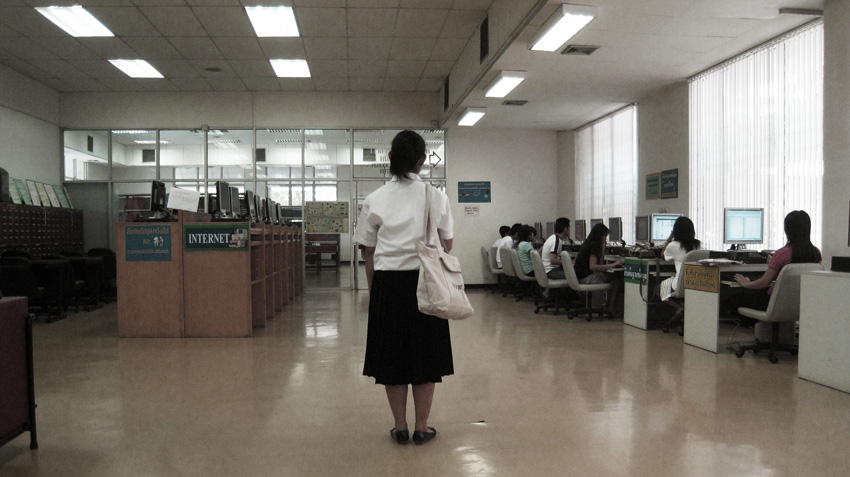
The photo comes from THE MORNING ATMOSPHERE AT MY HOUSE AT 6AM.


FAVORITE FOREIGN FICTION SHORT FILMS SEEN IN 2011 (EXCLUDING ANIMATIONS)

This list is inspired by Chayanin Tiangpitayagorn's list:
http://www.facebook.com/notes/chayanin-tiangpitayagorn/top-30-foreign-short-films-2011/10151279763790217

1. MITTELWERK EXPRESS (Jean-Baptiste Alazard, 2010, France)

2. CD (Campanilla, 1997, Spain)

3. LOVERS & ENEMIES (Dilmana Yordanova, Mihaela Kavdanska, 2010, Romania)
http://vimeo.com/24771309

4. THIS HAPPENS A LOT (Estibaliz Sabada, 2000, Spain)

5. BETA DOOR (Chus Domínguez, 2009, Spain)

6. BOW (Rannvá Káradóttir, 2010)

7. SEA OF DESIRES (Shota Gamisonia, 2010, Russia)

8. THE YEAR OF ALGERIA (May Bouhada, 2009, France)

9. SPLIT (Kitty Green, 2008)

10. TO KISS YOU ONE LAST TIME (Olivier Jahan, 2010, France)

11.WHERE WE DISAPPEAR (2011, Akihiro Hata, France)

12.EN LA CIUDAD (IN THE CITY) (1976-1977, Juan Bulfill, Spain)

13.EN LA CIUDAD (IN THE CITY) (1976-1977, Fina Miralles, Spain)

14.ESTIVEN EN GALICIA (2006, DSK, Spain)

15.EWAS (1985, Pedro Garhel, Spain)

16.ONE SUNNY MORNING (2011, Bk Lim, Singapore)
http://celinejulie.blogspot.com/2011/08/one-sunny-morning-2011-bk-lim-singapore.html

17.THE 54 (2010, Philip Hering, Netherlands)

18.SIESTA (1975, Navarro Baldeweg, Spain)

19.C REGENERACIONES (1999, Antoni Pinent, Spain)

20.CARON (2010, Pierre Zandrowicz, France)

21.CHAOS AND CREATION (1960, Salvador Dalí + Philippe Halsman, Spain)

22.THE OTHER FIGHT (2003, Emmanuel Ortner, France)

23.A FIELD GUIDE FOR THE MODERN UNCIRCUMCISED MALE (2008, E. Aaron Ross)

24.FRIDGE (1995, Peter Mullan, UK)

25.APUNTES (NOTES) (1994, Nuria Canal, Spain)

26.THE TANK (2011, Gino Santos, Philippines)

27.DUCKS & WOMEN (2011, Keren Cytter)
http://www.youtube.com/watch?v=OOORnvlxpOc

28.KIYUMI'S POETRY AND SAYURU'S EMBROIDERY (2010, Satoru Sugita)

29.YURI LENNON'S LANDING ON ALPHA 46 (2010, Anthony Vouardoux, Germany/Switzerland)

30.ONCE UPON A TIME IN KINMEN (2010, Shih Chun-han, Taiwan)

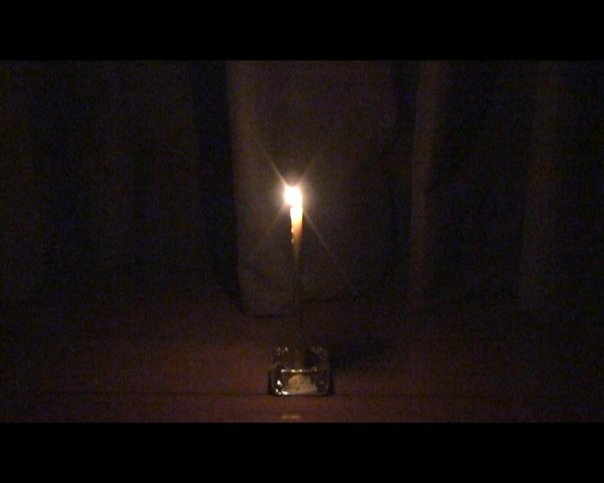
The photo comes from the film CD.


Thai films seen on Friday, August 5, 2011

1.UPTOGU (2011, Pachara Yang, 19:50 min, A+)
UPTOGU (พชร หยาง, A+)

2.THE ORGAN WHICH WENT MISSING ON MONDAY MORNING (2011, Eakarach Monwat, 8:58min, A+)
องคาพยพที่ขาดหายไปเมื่อตอนเช้าวันจันทร์ (เอกราช มอญวัฒ, A+)

3.HALF (2011, Pongtawee Srilasuk + Rugpong Rugrien, 6:55 min, A+)
HALF (พงษ์ทวี ศรีลาศักดิ์ + รักพงศ์ รักเรียน, A+)

4.WOOHOO (2010, Pitchanon Jenbanjong, 6:47min, A+)
อัศจรรย์สวยข้ามคืน (พิชชานนท์ เจนบรรจง, A+)

5.ITIMMAN (Aimhathai Maiyagool, A+)
ไอติมแมน (เอมหทัย มัยกุล, A+)

6.ENCORE (2011, Pete Tanskul, 24min, A+/A)
ENCORE (พีท ตันสกุล, A+/A)

7.HALA AND BALA (2010, Tanakit Roumtaku, documentary, 29 min, A-)
ฮาลา-บาลา (ธนกฤต รวมตะคุ, documentary, A-)

8.THE STORY OF WHAT WE SEE (2011, Krittin Patkuldilok, animation, 3:20 min, A-)
อกาลิโก (กฤติน ภัสร์กุลดิลก, animation, A-)

9.CONTINUE? (2010, Siri Pawasuttikul, 5 min, A-)
อีกสักตา (ศิริ ภาวศุทธิกุล, A-)

10.HAPPY BADDAY (2011, Rungroje Pengpunchum, 27 min, B-)
HAPPY BADDAY (รุ่งโรจน์ เพ็งพันธุ์ฉ่ำ, B-)


Thai films seen on Thursday, August 4, 2011, in the Marathon Film Festival

1.LEASTWAYS/MODERATE WAYS/EXTREME WAYS (2011, Tritos Termarbsri, 90min, A+)
อย่างน้อย/อย่างกลาง/อย่างมาก (ไตรทศ เติมอาบศรี, A+)
http://celinejulie.blogspot.com/2011/12/leastwaysmoderate-waysextreme-ways-2011.html

2.LAUGH AND CRY FOR VIVA (2011, Sirapatshara Neimphuang, 28 min, A+)
หัวเราะร่าน้ำตาร่วง (ศิรพัชร เนียมพ่วง, A+)

3. THE FRENCH CLASSROOM AND THE MYSTERIES OF FRANÇOIS (2011, Wachara Kanha, 33min, A+)
ห้องเรียนฝรั่งเศสกับปริศนาฟองซัว (วชร กัณหา, A+)

4. TOYLET (2011, Somsak Sornpaeng, 30min, A+)
ห้องน้ำฉ่ำรัก (สมศักดิ์ สอนแพง, A+)

5.VERY EPIC (2011, Katon Thammavijitdej, 4:21min, A+)
ใหญ่โตมโหฬาร (กตัณณ์ ธรรมวิจิตเดช, A+)

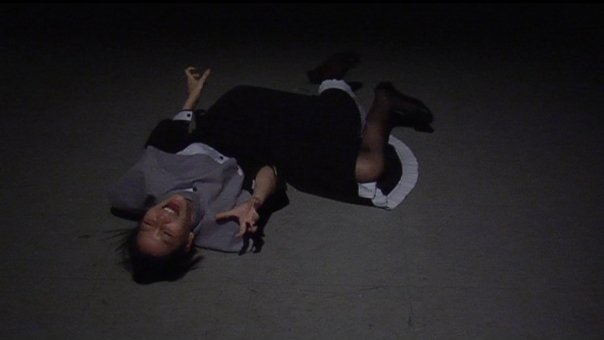
The photo comes from THE FRENCH CLASSROOM AND THE MYSTERIES OF FRANÇOIS.


Thai films seen in MAX 2011 program (by Mahidol University) on August 3-4, 2011

Thai films seen in MAX 2011 program (by Mahidol University) on August 3-4, 2011

(in roughly preferential order)

1.SING (2011, Sa Sakawee, A+)

2.FOR TRUTH AND JUSTICE (2011, Kullapat Srikrisanapol, animation, A+)

3.THE DARKNESS (2011, Arisara Poolvoralaks, A+)

4.THE FORBIDDEN ISLAND (2011, Ratpalee Suphawatanakiat, documentary, A+)

5.FREE UP (2011, Natcha Chaiwongrote, animation, A+)

6.TOGETHER (2011, Sipapar Lekdee, animation, A+)
http://www.youtube.com/watch?v=wxg8u5_vjwo&feature=related

7.NEVER SAY GOODBYE (2011, Sutthasin Tanmanasiri, A+/A)

8.THE LETTER (2011, Jutawan Boonsopis, A+/A)

9.PHOTOSHOP (2011, Sopolnawitch Achira Ponglamjiak, A+/A)

10.THAWAN DUCHANEE (2011, Siripa Intavichein, documentary, A+/A)

11.DETACHED (2011, Harin Na Pombejra, animation, A)

12.DREAMLIKE (2011, Muanfhun Vasuvattakul, A/A-)

13.THE MYND WORLD (2011, Cheewapong Thitiwongthaveewate, animation, A/A-)

14.ILLUMINATION (2011, Panpilas Pitayanon, animation, A-)

15.AMARANTH (2011, Lakkana Palawatvichai, A-)

16.COAX (2011, Kevin Vivis Visithsiri, A-)

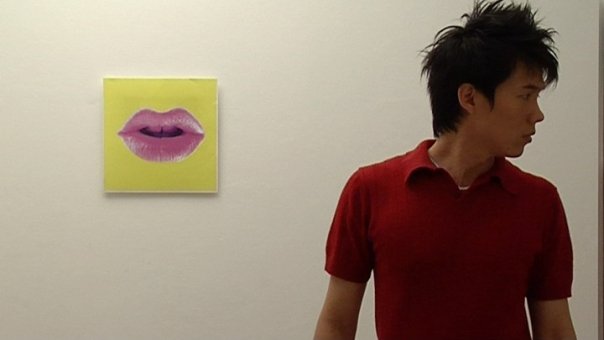
The photo comes from TOGETHER.


Wednesday, January 25, 2012

TWENTY YOUNG INDEPENDENT THAI DIRECTORS

The article below was first published two years ago in Indian Auteur website.

Twenty Young Independent Thai directors:
(in alphabetical order)

1.Alwa Ritsila

Alwa Ritsila and Komvish Zally shocked many audience in 2008 with their Mofo Life Size Doll (2007, 25 min), an unrelentingly brutal film using dolls as characters. The main character of this film rapes, tortures, kills, and crucifies other characters. This kind of extreme brutality can also be found in other films directed or co-directed by Alwa. Though the cruel stories in his films make some people want to look away from the screen, other people feel drawn to the beauty of the cinematography and the perfect use of the soundtrack in his films. Another interesting work of his is The Witch (2009, 29 min), which he co-directed with Phatamon Chitarachinda. In this film Alwa played all the three main characters by himself—the masturbating father, the virgin daughter, and a witch who loves drinking the blood of a virgin. It ranks as one of the most brutal films I have ever seen, but I can't deny its cinematic power. Alwa is the dark lord of Thai cinema. Some of his films can be watched at: http://www.youtube.com/user/madmadmaniv


2.Arpapun Plungsirisoontorn

Arpapun made Repeating Dramatic (2008, 8 min), which is one of the best Thai political films in 2008. In this film, an extremely melodramatic scene from a soap opera is replayed for numerous times. The colors of the scene are increasingly fading each time the scene is replayed, until what remains on the screen looks like moving mass of ugly colors. The audience also hears a radio report of political news during the same time. This film reminds me of the sad political history of Thailand, in which military coups have been staged frequently, even in 2006. The country has always been stuck in a vicious circle, like a melodramatic scene which is forever repeated and unable to move forward. Arpapun also made Fairy Feminine (2009, 29 min), which tells a twisted fairy tale about a relationship between a mother and a daughter. The mother looks like an angel, a witch, and a lesbian rolled into one. The prince in this film performs the role of a seducer instead of a rescuer-hero. And the seven dwarfs in this film look like a gang of rapists. Maybe this is a perfect fairy tale for children in our postmodern time.


3.Attapon Pamakho (born 1985)

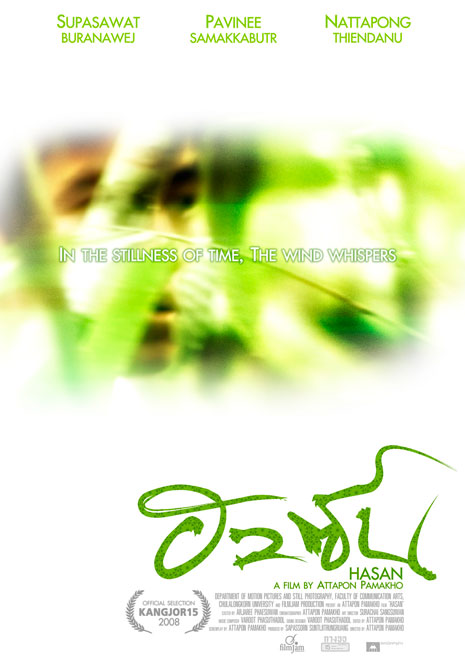
Attapon made Hasan (2008, 29 min), which is one of the most touching gay films I have ever seen. It deals with a married Muslim man who has an affair with his wife's brother. The story is very daring compared with most Thai films, and the cinematography is gorgeous. Hasan is successful in expressing the inner torment of the husband, the role of which is excellently played by Supasawasdi Buranawate. It reminds me of the power of another great gay film—Priest (1994, Antonia Bird). Attapon also co-directed Seaport (2006, 22 min) with Benya Poowarachnan. This documentary deals with immigrants from Myanmar who are living with difficulty in a province in Thailand, and the racial prejudice of Thai people. Seaport shares one thing with Hasan--the use of music in both films' ending scenes brings tears to my eyes.

Hasan (2008, Attapon Pamakho)
http://farm4.static.flickr.com/3154/2613435824_b7f50db892_o.jpg


4. Chaiwat Wiansantia

Chaiwat Wiansantia made Fragrance of the Wind (2007, 26 min), and Wake Up Time (2009, 10 min), both of which are like semi-experimental, semi-documentary films. They seem to tell no obvious stories, and focus on landscapes. I think the story of Fragrance of the Wind is about a person who is bored with living and working in a big city and decides to go visiting his rural hometown for a while. The film can capture the rural landscape, or the soul of the rural landscape, very well. It seems to be able to transport the pleasant atmosphere of the rural areas into the screening room miraculously. I felt as if there was a magical wind blowing in the screening room while the film was shown. I felt as if I could smell the damp earth soaked with rainwater while I was watching the film. Wake Up Time portrays a group of people who go to a seaside. The film lets us see their seemingly insignificant activities—walking, talking, painting—and interspersed them with seemingly unconnected scenes, such as scenes of a neon lamp going on and off, or scenes of a taxi. The "seemingly-illogical" editing helps create some magical feelings and makes this film very much different from a mere home video. You can watch some of Chaiwat's films at this Youtube channel: http://www.youtube.com/user/jas0146012


5.Chaloemkiat Saeyong

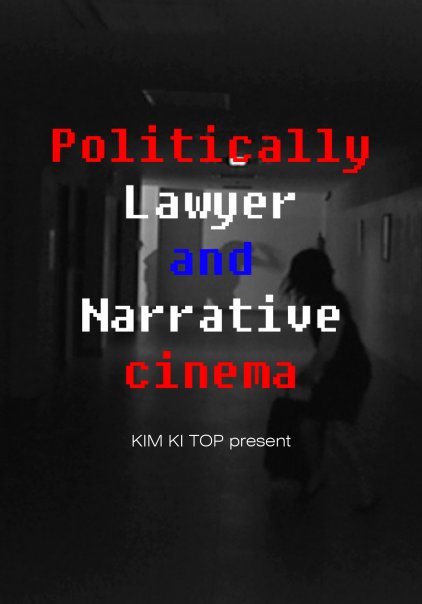
Chaloemkiat Saeyong's masterpiece is Politically Lawyer and Narrative Cinema (2009, 27 min), which plays with many elements of cinema. The film tells a fictional story about a murder in an airport and uses this murder to remind the viewers of the real case of Somchai Neelaphaijit, a Thai political lawyer who disappeared in 2004. Wiwat Lertwiwatwongsa, a Thai film critic, makes an interesting observation that the film seems to both tell a story and destroy its story at the same time. The film is extremely self-reflexive and has numerous weird things in it. For example, both the English title and the Thai title of this film are "intentionally" grammatically wrong. The film shows us a lecture room or a corridor in a building, while a text appearing on the screen says that the audience must imagine that what they see is an airport. The film reminds me of some weird and wonderful films by Jean-Luc Godard. Chaloemkiat also made Peru Time (2008, 18 min), which lets us watch a sunset for 18 minutes while some unreadable texts keep appearing on the screen. Wiwat compares this film to the opening scene of India Song (1974, Marguerite Duras). Chaloemkiat also made A Place of Different Air (2008, 24 min), in which the images appearing on the screen change their sizes from time to time. This semi-documentary, semi-experimental film is about a family who has just moved to a new place, and the different image sizes seem to emphasize the contrast between the old place and the new place.

Politically Lawyer and Narrative Cinema (2009, Chaloemkiat Saeyong)
http://farm3.static.flickr.com/2693/4173042455_ff6e48dde1_o.jpg


6.Chawit Waewsawangwong

Chawit Waewsawangwong made Fireflies (2005, 4 min), which presents beauty neon lights in Bangkok, while an electronic dance song is played. The editing of this film corresponds perfectly with the song rhythm, and it can be considered one of the most beautiful dance music videos ever made. I also like it very much that the film seems to celebrate neon lights and night life in Bangkok, instead of doing what some other Thai films and some other Thai artists do—trying to portray Bangkok as a one-sided place of evil and ugliness and looking down on night life. I consider this film as possibly one of the three most beautiful films about Bangkok. The other two are Rough Night (2001, Samart Imkham, 22 min) and Bangkok at 21:42 hrs (2001, Thanes Maneejak, 3 min). Chawit also made some good animations, such as Enough (2007, 3 min) and Continue (2005, 2 min). I also love Hate (2004, 2 min), in which we see someone intending to kill someone, but the film minimally and effectively tells its story by letting us see only the tip of a cutter moving closer to its victim.


7.Chulayarnnon Siriphol (born 1986)

Chulayarnnon made Hualampong (2004, 12 min) when he was a high-school student. This film observes an old man who frequently came to a railway station to take photos. There is nothing dramatic happening during the whole film. The film observes this man very patiently. This film drastically changed the attitude people had had towards Thai high-school students-filmmakers. Before this film, we used to think that high-school students only made funny films. After this film, we know we can never underestimate these teenagers any more. Chulayarnnon's masterpiece is Danger (Director's Cut) (2008, 14 min), which tells a story about a murder in an apartment building. What makes this film extraordinary is that the script of this film and some harsh comments on this film are also inserted into the film. We see texts from the script and texts commenting on the film appearing on the screen from time to time. This film is originally made as a thesis in a university. The harsh comments were made by a teacher. When we watch this film, we don't only see a murder story, but we also learn about its narrative structure and the bias against this film. I have never seen a film as self-reflexive as this before. An instant classic!


8.Janenarong Sirimaha (born 1987)

Janenarong made I Scream (2008, 21 min), which is a very entertaining horror-thriller film, though the film is as good as many good films in its genre. It doesn't transcend its genre. However, Read Me! (2008, 17 min) proves that Janenarong is a talent to watch. This film, which is about a female university student who can read other people's minds, is hard to categorize. It is extremely entertaining and can please general audience as much as a good mainstream film, but it is very different from most Thai genre films or most Thai mainstream films because it doesn't let itself be bound by the rules of any genres. It keeps on surprising the audience until the end. Janenarong also made Ying and Wan (2008, 7 min), a very funny film in which an actor played five characters. This low-budget film proves that creativity, not money, is the best thing you can rely on when making a film, no matter whether the film is a pure entertainment or a work of art. You can watch Janenarong's film at http://www.youtube.com/user/shuckwow .


9.Napat Treepalawisetkun (born 1990)

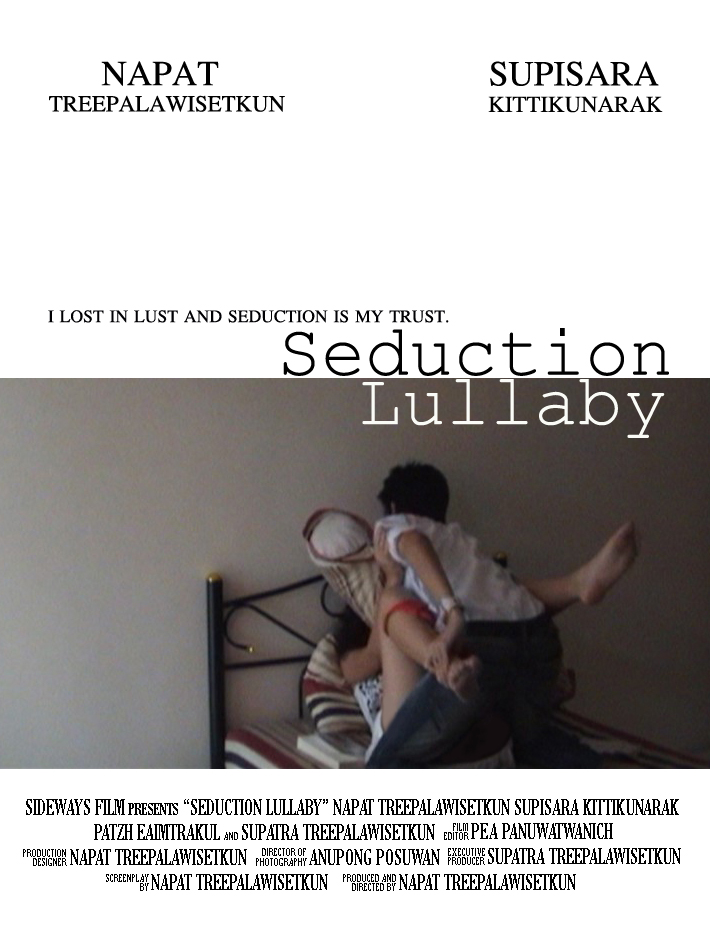
Napat likes John Waters and Michael Haneke, and this fact is obviously shown in his films. Nene, who gives maddeningly fierce, wild, raw, and extremely memorable performances in many of Napat's cult films, is his own Divine. A Series of Salinee Event (2007, 14 min), which was made while Napat was still a high-school student, tells the story of a woman (Nene) who hires a killer to kill someone, which turns out to be Salinee herself. This film made Napat stand out from other Thai teenage filmmakers, because the film has a very complicated narrative structure, and the extreme violence in this film is shown in a serious mode, while most films made by Thai teenagers show violence in a playful, funny mode. I Will Rape You with This Scissors (2008, 13 min), which stars Nene as a demented mother who may or may not kill her own daughter, also has a perplexing narrative structure. It even has a deeper layer of meaning. This cult film is actually a satire on the censorship of Syndromes and a Century (2006, Apichatpong Weerasethakul). While most of Napat's earlier films may show the influences of John Waters, the influences from Haneke become obvious in Seduction Lullaby (2009, 23 min), a feel-bad film which tells a story about rapes and guilt. The characters in this film don't expressively show their feelings as in Napat's earlier films. They carry enormous pain inside. Napat also made It's Hard to Say How I Love You, Captain Hook (2009, 10 min), which tells a story of a mother who patiently takes care of her disabled son. The film is very interesting because it doesn't seem to belong to any obvious genres. It is not a feel-bad, a comedy, a black comedy, a satire, or a tear-jerking drama. It is just itself. It also indicates that Napat's directing styles may evolve very fast.

Seduction Lullaby (2009, Napat Treepalawisetkun)
http://farm4.static.flickr.com/3240/3877700467_302de07f6a_o.jpg

It's Hard to Say How I Love You, Captain Hook (2009, Napat Treepalawisetkun)
http://farm3.static.flickr.com/2536/4173042459_d5e643eaf9_o.jpg


10.Nawapol Thamrongrattanarit (born 1984)

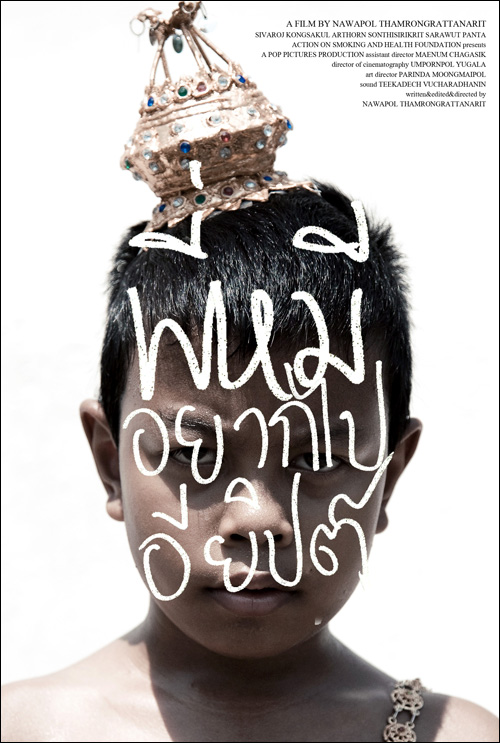
Nawapol works both independently and for studios. He became famous for See (2006, 9 min), which observes his own father while he is making fried rice, eating, and watching TV. The film also has what would later turns out to be Nawapol's signature styles, namely static camera, long take, and long shot. Though Nawapol uses some arthouse styles in his films, his films are very different from many arthouse films because there is a Nawapol's brand of humor in his films. I don't know how to define his kind of humor. I think I should just give some examples. The story of Giraffe (2007, 3 min) takes place when the world is about to end after 300 Malaysian giraffes died. Two people want to listen to a song before the world ends, but the song they end up listening to is So Dem a Com by E-Type. In his documentary Shit Happens (2003, 52 min), Nawapol talks about the problems his family has with dog excrement in front of his house. He didn't only interview his own family and neighbors, but also interviewed a lawyer about how to deal legally with this problem. I find this kind of things very funny, but this kind of humor is not often found in films made by other people. Another example of this can be found in Mr. Mee Wanna Go to Egypt (2009, 20 min), which is actually made for a no-smoking campaign, but the film presents a child character who keeps saying, "Let's smoke," for numerous times. Nawapol also proves that he is able to make serious films. Francais (2009, 30 min) effectively portrays many problems a blind university student faces while studying, and Nawapol's signature styles help very much in preventing this film from becoming a tear-jerking melodrama.

Mr. Mee Wanna Go to Egypt (2009, Nawapol Thamrongrattanarit)
http://farm4.static.flickr.com/3445/3761297679_db6ba1fb30_o.jpg

Francais (2009, Nawapol Thamrongrattanarit)
http://farm5.static.flickr.com/4009/4173042465_b912936e30_o.jpg


11.Prap Boonpan (born 1981)

Prap Boonpan, whom I consider a leader of Thai political films, impressed me a lot with his Two Worlds in One World (2004, 18 min), which deals with the problems of the film The Siam Renaissance (2004, Surapong Pinijkhar), which may or may not present Thai historical facts, and may also present some wrong attitudes. Prap presents the problems of that film and his arguments very straightforwardly. He makes the characters in Two Worlds in One World talk about these problems and he uses his camera to focus on some historical textbooks in extreme close up, so that the viewers can read what is written on the textbooks. I like this kind of technique very much. It reminds me of some foreign essayistic films or some films by Jean-Luc Godard, but I had never found this kind of argumentative techniques employed in Thai films before. Prap uses this technique again in Letter from the Silence (2006, 5 min), in which he uses a camera to focus on a letter written by a Thai taxi driver who heroically committed suicide to protest the military coup in 2006. I had read this powerful letter before I saw this film. I liked the content of the letter very much, but it didn't have a strong effect on my feelings when I read it on a website. However, when the letter is presented in this film, the power of its words seems to increase exponentially and unexplainably, and this time the letter can make me cry. Maybe the film lends an "aura" to the letter. This technique is used again, but by a younger director, in a film called Women in Democracy (2009, Atthawut Boonyuang, 6 min), which is one of the best Thai films this year. This fact seems to indicate that Prap may have some influences on younger directors. Prap's masterpiece is The Bangkok Bourgeois Party (2007, 28 min), which condemns many bourgeois people who support the military coup. It contains an instant classic scene—a three-to-five minute blackout scene in which the viewers see nothing and hear nothing. This scene comes after the bourgeois characters kill a character who thinks differently. Though many films by Prap contain a lot of dialogues or texts, there are some films in which he turns to use some symbols, instead of texts or dialogues, to convey his messages. This group of films includes Culture and Nature (2008, 3 min) and the latter part of The White Short Film/The Candle Light (2009, 20 min), which earns him the R.D. Pestonji award. This award-winning film consists of two parts. In the first part, we see a man and a woman reading a script about the political situation in Thailand in late 2008 and early 2009. In the second part, we see a man watching a candle in a TV. This film, together with Culture and Nature, makes me contemplate about the future of Thailand. I think in the future if someone wants to write a book about Thai political films, Prap Boonpan is one of the names which must be included in that book.

Culture and Nature (2008, Prap Boonpan)
http://farm5.static.flickr.com/4010/4173042467_c545855603_o.gif

The White Short Film/The Candlelight (2009, Prap Boonpan)
http://farm5.static.flickr.com/4009/4173042469_647e372297_o.jpg


12.Prateep Suthathongthai (born 1980)

Prateep is an artist who makes photos, videos and video installations. He cleverly explores the themes of minorities and ethnicity in Thailand via his videos Where Are Thais From? (2007), and Explanation of the Word 'Thai' (2007, 2 min). In Explanation of the Word 'Thai', we see a Phu-Thai guy reading Thai history out loud by using his own local dialect, which makes his reading incomprehensible to many Thai viewers, especially Bangkokians. The video also presents some karaoke texts, so that the viewers can pronounce what the guy is saying, but still don't understand what the guy is saying. Wiwat Lertwiwatwongsa observes that this video makes the viewers realize that Thailand is not composed of only Thai people, but composed of people from many ethnic groups who have diverse cultures. The viewers also realize that some groups of people are marginalized by Thai mainstream culture, and these minorities are not mentioned in the definition of the word Thai which they are reading. I also like Moving Cameras – October 27 (2009), which is a video installation of Prateep. This video installation, which is composed of four TV sets, shows us the views from a camera which is passed from one person to another person to another person, and so on. This video installation, which may be about some abstract ideas, unintentionally makes me realize that in order to see the whole thing or to understand a thing completely, we should watch it from various viewpoints, observe it from various angles, or maybe listen to people who think differently.


13.Ratchapoom Boonbunchachoke (born 1987)

I have seen only three films by Ratchapoom, but I'm sure this director, who is also an avid cinephile, will go very far. His films include Unpronoucable in the Linguistic Imperialism of Yours (2008, 3 min), which is a mockumentary about a Thai female artist who opens her house to let people come in and watch her masturbating. This film makes the viewers realize that we rarely see a heroine expressing some sexual satisfaction in Thai films or Thai TV series. We more often see Thai villainesses expressing this kind of feelings. This film touches on some taboos in Thai media which we may not have noticed before. Ratchapoom tackles taboo subjects again in Mermaid Wearing Pants (2009, 7 min), which is composed of found footage from many banned films, including Salo, or the 120 Days of Sodom (1975, Pier Paolo Pasolini). This film also reminds us of some political taboos in Thailand. Ratchapoom's masterpiece is Bodily Fluid Is So Revolutionary (2009, 41 min), which tells a story of a gay couple who encounter a serious relationship problem when one of them becomes allergic to any bodily fluid coming out of his lover. The allergic one seeks help from a female doctor, who eagerly volunteers to have sex with her own patient, while his lover resorts to masturbation. What makes this film special is its self-reflexiveness. The images in this film are strangely disrupted from time to time, as if the film is shown via a scratched or damaged DVD, but the characters also realize that they exist in a scratched DVD and try to escape from it. Wiwat Lertwiwatwongsa observes that this film does not only tackle some sexual taboos, but is also about the relationship between film viewers who become allergic to arthouse films, critics who provide the cure, and filmmakers who are accused of masturbating themselves by making incomprehensible films.

Bodily Fluid Is So Revolutionary (2009, Ratchapoom Boonbunchachoke)
http://farm4.static.flickr.com/3567/3575828303_4d4471f10b_o.jpg
http://farm4.static.flickr.com/3354/3575828309_aa8a625085_o.jpg


14.Sompot Chidgasornpongse (born 1980)

Sompot's first film is AUAD DEE (2003, 10 min), which impresses me a lot because it is like an essay. In this film we see a young man, who is supposed to be a representative of a certain group of Thai teenagers, expressing his opinions on many social trends for nearly 10 minutes. But in the end we hear the voice of a narrator expressing some scorn on this man. I think Sompot made this film in order to express his opinions on other people's opinions, and he succeeded. His method may be easy, but I like its straightforwardness and its difference from most Thai films. Sompot made another essay film called Diseases and a Hundred Year Period (2008, 20 min), which talks about the censorship of Syndromes and a Century. He also made some atmospheric films, including Bangkok in the Evening (2005, 16 min), Andaman (2005, 16 min), 8,241.46 Miles Away From Home (2006, 6 min), and Landscape 101 01 1101 01 ... (2007, 28 min), all of which seem to present "landscape" as one of the main characters. All of them are documentary-like and very slow. In this group of films, I prefer Landscape 101 01 1101 01 ... the most. This film explores the landscape of a burnt forest very patiently. I love its extreme slowness and the fact that the images in this film become blurred from time to time. However, it is interesting that Sompot changes the rhythm of his films after that. Physical Therapy (2007, 1 min), which is about a woman running in a desert, and Yesterday (2008, 13 min), which is about the hectic lives of Thai students in USA, are fast-paced, and it indicates that Sompot is a director who may like to change his styles from film to film in order to fit the different themes of each film. I can't wait to see his thesis film Are WeThere Yet?.

(I want to note that Sompot used to be an assistant director of Apichatpong Weerasethakul, and many other people who used to work with Apichatpong have turned out to be great independent directors, too. These great directors include Nitipong Thinthupthai, Phaisit Phanphruksachat, Santiphap Inkong-ngam, Suchada Sirithanawuddhi, Supamok Silarak, and Teekhadet Vucharadhanin.)

Landscape 101 01 1101 01... (2007, Sompot Chidgasornpongse)
http://farm3.static.flickr.com/2557/4173042461_3835a7f62b_o.jpg

Yesterday (2008, Sompot Chidgasornpongse)
http://farm3.static.flickr.com/2606/4173799498_c69ecd0e57_b.jpg


15.Supakit Seksuwan

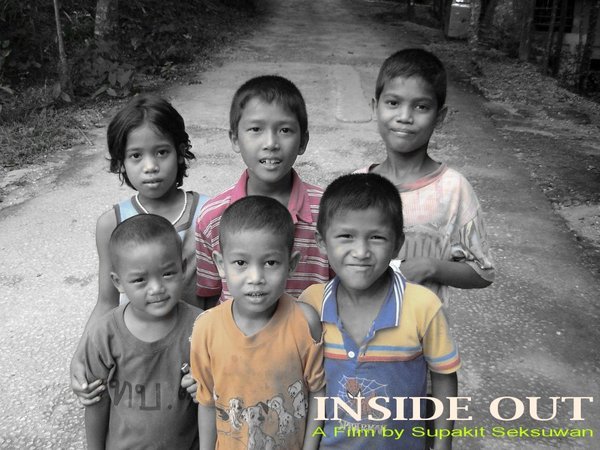
What I love in many of Supakit's films is its free flowing and its incomprehensibility. Some of his films seem to defy logic and make the viewers ask, "What is happening?", "What does this scene mean?", "What does the whole film mean?", or "Why was this scene inserted into the film, because it makes no sense at all?" Having said that, I don't want you to misunderstand that Supakit's films are very arty. In fact, his films seem to be cheaply made, and observe no rules of film aesthetics. This quality turns out to be the reason why seeing his films is a very refreshing experience. His films are the opposite of many films made by film school students who strictly observe the rules of what good arthouse films should be. In I Open at the Close (2009, 12 min), Supakit lets us see many unimportant activities in a university. Most viewers don't understand what this film is trying to say. I don't either. But it is a pleasant experience to see a film which seems to be bound by no rules, except the feelings of the director. There's one scene I like very much in this film. It's the scene in which the camera stalks a young student for a long time. It stalks this student for no obvious reasons, and it stops stalking when the student seems to realize that he is being stalked. I also love Inside Out (2009, 21 min) and The Love (2007, 8 min), two documentaries of his. The first is about a group of rural children who talk about many trivial things. The second is about his grandparents. What I like in these two is the feeling that Supakit might not know what was going to happen in the next minute or the next second when he was shooting these documentaries. It seems as if Supakit just let the subjects of his documentaries express their true selves and enjoy themselves, instead of trying to control his subjects in order to make his documentary serve some purposes or convey some messages. My most favorite film of Supakit is Prognostic (2009, 8 min), in which we see a guy walking and doing some activities, while the images of these activities are manipulated in various ways, such as being turned upside down, being blurred, or being affected by some special computer effects. It's a real "experimental" film. You can watch some of Supakit's films in his Youtube channel: http://www.youtube.com/user/venerator

Inside Out (2009, Supakit Seksuwan)
http://farm3.static.flickr.com/2656/4173799488_c8e4bb7c0e_o.jpg


16.Suphisara Kittikunarak

Suphisara made Thom (2009, 30 min) and Passion Sonata (2009, 13 min), both of which deal with sex in a very interesting way, or in a way I had never seen in Thai films before. I guess she can be called the Thai Catherine Breillat. Thom deals with a young woman whose husband just died. She decides to keep his corpse in her bedroom, becomes a prostitute, does some weird activities, flirts with a young boy, and shaves her head. Suphisara also plays the lead role in this film, and she did really have her own head shaved. That shows how devoted she is to her film. Passion Sonata deals with a young lesbian couple who sometimes have sex in a tennis court, and a gay couple who live nearby. One of the gay couple (played by Napat Treepalawisetkun) likes to play violin after making love. Trouble seems to happen when one of the lesbians tries very hard to rape one of the gays. Nearly all of these things in both of her films are presented in an objective tone. While most Thai filmmakers may try to present this kind of stories in a comedic tone or in a melodramatic tone, Suphisara tells her story in an objective tone, which reminds me of some Austrian films by Barbara Albert, Ulrich Seidl, or Michael Haneke.


17.Tanatchai Bandasak (born 1984)

I have seen five films by Tanatchai – Drift (2008, 3 min), Endless Rhyme (2008, 26 min), Lalita (2008, 5 min), Swamp (2008, 3 min), Sweetheart Garden (2009, 22 min) – and I don't think I understand them. I just know that they are very poetic and their beauty is beyond my ability to describe. Lalita may be the easiest film to be described. It is composed of found footage of two TV series starring Lalita Panyopas, a famous Thai actress in late 1980's and early 1990's. She stars in some melodramatic TV series, but the film 'Lalita' turns the found footage of these TV series into something very haunting. Some original TV scenes are slowed down, and some sound effects are added. It is as if Tanatchai had turned a found footage from Melrose Place and Beverly Hills, 90210 into Twin Peaks. I think Tanatchai is an expert in using sound. Drift presents us the drifting of one noise to another noise to another noise, and so on, while we see an image of a policeman gradually turning into some abstract images. Swamp lets us hear the voice of a radio DJ, while we see an image of an eye falling down into a swamp. My most favorite film of Tanatchai is Sweetheart Garden, which also has some haunting sound effects. In this film we see some unconnected gorgeous images, such as images of a dark corridor, a man watching TV, a porn theater, a wasteland with some historical images superimposed on it, a zoo in fog, the breast of a woman, etc, while images connected to train, such as images of a platform, a railway, or a tunnel, are interspersed between these unconnected images. The ultimate sublime feelings I have while seeing Sweetheart Garden reminds me of the experience of seeing Take the 5:10 to Dreamland (1977, Bruce Conner). Both Bruce Conner and Tanatchai Bandasak make films which defy explanation.

Sweetheart Garden (2009, Tanatchai Bandasak)
http://farm5.static.flickr.com/4047/4173799490_9eb2b6e9a4_o.jpg


18.Tossapol Boonsinsukh (born 1982)

Tossapol, who is also a writer and a musician, has already made about 100 short films, and he also made two feature films – Afternoon Times (2005, 90 min), and Under the Blanket (2008), the latter of which is actually composed of a few short films strung together. I think I may have seen only 25 of his films. What I like the most in his films is its extremely atmospheric quality. An obvious example of this can be found in No One at the Sea (2005, 3 min), in which we only see an image of a seashore while hearing a piece of piano music. Tossapol is also great in using his feelings, emotions, and instinct in making films. This fact makes some of his films "incomprehensible" but "emotionally overwhelming". Some films of his are composed of unconnected scenes strung together, such as Don't Warm Egg in Microwave Or Else It Will Explode! (2005, 14 min), and Life Is Short 2 (2003-2006, 14 min). I don't understand the logic behind the juxtaposition of the scenes in these two films. All I know is that Don't Warm Egg in Microwave Or Else It Will Explode! makes me feel so happy after seeing it, while Life Is Short 2 makes me feel so melancholy and uplifting at the same time. What I also love in Tossapol's films is the feelings of loneliness, but the loneliness in his films is not the kind of loneliness found in Wong Kar-wai's or Tsai Ming-liang's films, but it is the kind of loneliness found in Jun Ichikawa's films. It is about people who are alone, but sometimes they are contented to be alone. An example of this can be found in She Is Reading Newspaper (2005, 8 min), in which three people in a cafe don't talk to each other, but they are perfectly happy like that. Tossapol's masterpiece is Afternoon Times, which deals with a restaurant owner who falls in love with a delivery boy, and gets extremely depressed after he disappeared. This film also contains one scene which might be one of the longest static takes in Thai film at that time. It is a scene in which the heroine closes down her restaurant, thinking that she may never find the delivery boy again. The static camera lets us watch her picking up a lot of drawings and various objects in the restaurant into boxes. The longer the film lets me watch her doing this, the stronger I feel an urge to cry. I guess this long static take lasts about 15 minutes. I had never seen a long take like this before in Thai cinema, except in Windows (1999, Apichatpong Weerasethakul, 17 min). You can watch some of Tossapol's films in his Youtube channel: http://www.youtube.com/user/nangtoszlong

(I also want to note that nowadays many young independent Thai directors employ long static takes in their films/videos, though they are not influenced by Tossapol. Never Congregate Never Disregard (2007, Arin Rungjang, video installation) contains two scenes, each of which is a one-hour-long static take. You Have to Wait, Anyway (2007, Nawapol Thamrongrattanarit, 22 min), Restart (2008, Patchara Eaimtrakul, 25 min), and Confront with the Truth (2009, Chanin Hanjaroen, 11 min) contain only one long static take for the whole duration of each of the films.)

Under the Blanket (2008, Tossapol Boonsinsukh)
http://farm4.static.flickr.com/3097/2570773690_c1dfd61ba2_o.jpg


19.Tulapop Saenjaroen (born 1986)

Tulapop became famous in 2005 when his film Sad Scenery (19 min) won Vijitmatra award, though I haven't seen this film yet. The first time I was bowled over by his film is when I saw "___" (2006, 8 min), which contains some unconnected scenes strung together. In this strangely titled film, which I called the "underscore" film, we see images of some trees in the dark, someone washing his feet in the dark, children in a park, a cleaning lady doing her job, and some texts which run so fast that most viewers cannot read them completely. Our Waves (2006, 12 min) is also composed of unconnected scenes strung together. In the first half of the film, we see scenes of a group of friends doing many activities. In the latter half of the film, we see some waves in the water. These two films are very different from films by Tossapol and Tanatchai, though some of Tossapol's and Tanatchai's films are also made of unconnected scenes. While films of Tossapol touch my heart and my feelings, and while films of Tanatchai speak to my subconscious, these two films of Tulapop tease my brain. These two films remind me of some films by Arthur Lipsett and Alexander Kluge, which also contain unconnected scenes strung together and seem to appeal more to the intellect than to the feelings. Some of Tulapop's earlier films also appeal to the intellect, because they objectively experiment on many things. Vocal Instruction (2006) is an experiment on the contrast between text and voiceover. For example, when the viewers see the sentence "Read this" on the screen, the viewers hear the sentence "Do not read this" at the same time. Video Book (2007) shows us some random numbers, and teases us to find the connections between these numbers, though the connections may not exist. Water (2007) is an experiment on the changing forms of water. When the Movie Listens (2007, 11 min) stars Tulapop himself as an attentive listener. For the whole duration of this film, we see only the face of Tulapop who seems to be listening to anything the viewers talk about. "2008" (2008, 3 min) is a film composed of crazy ending credits. However, the other three films Tulapop made in 2008 seem to show more human feelings than before. The Return (2008, 5 min) talks about the memories of a son and a dead father. Tales of Swimming Pool (2008, 13 min) questions the meanings of life via three stories. The Eternal Light (2008) is an atmospheric film showing some beautiful abstract images and images of the sea under beautiful sunlight. I prefer The Eternal Light to many other films by Tulapop, partly because this film is not weighed down by concepts, ideas, or stories as other films of his. Maybe he has stepped on the right direction. I'm very eager to see his new film.


20.Yanin Pongsuwan (born 1985)

Yanin made The Spectrum (2006, 48 min), which is a documentary about the big band of Wat Ratchabopith school. The film shows us how hard the band's members tried in order to win in the annual competition for school big bands. My favorite scene is the one in which the coach got very angry with some behaviors of the band's members. He criticized them very harshly in front of the camera and seemed unafraid that this footage would be shown to the public. I felt as if I myself was criticized while I was watching this. I guess even Yanin herself might not have expected before that her documentary would have such a dramatic climax. Another thing I love in The Spectrum is how it portrays many gay teenagers in the band. The film shows how much these gays devoted themselves for the band, and show them as interesting human beings. This film offers a space for Thai gay teenagers, a space which they deserve, but don't often find, in Thai media. I think the true power of The Spectrum comes from the fact that Yanin found a way to get familar with or get close to the subjects of her film. Many footages in this film result from the trust the subjects have in the documentarian. Yanin made another great documentary called Home Video (2008, 14 min), which talks about her loving relationship with her mother and the fact that she may not have time to spend with her mother as much as before. The pace, the tone, the choice of footage, and the lyrical quality of this film made this film stand out from other Thai films in the same vein. This film touches everyone's heart.

(I want to note that many young and old independent Thai directors make films about their own families. The great ones include A Century of Love (2007, Chaloemrat Gaweewattana, 14 min), Ghosts (2005, Anocha Suwichakornpong, 35 min), Empire of Mind (2009, Nontawat Numbenchapol, 90 min), From Nachuak to Bangkok (2005, Siwadol Rathee, 83 min), Little Plant at the Old House (2007, Sasikan Suvanasuthi, 5 min), Love Actually (2008, Gun Sangkaew, 9 min), My Grandfather (2008, Pichet Smerchua, 45 min), Our Film (2005, Atthasit Somchob, 22 min), Sleeping Beauty (2006, Chulayarnnon Siriphol, 40 min), and Track 01 Take 30 (2008, Thakoon Khempunya, 17 min).)

The Spectrum (2006, Yanin Pongsuwan)
http://farm5.static.flickr.com/4001/4173799492_b473e926b3_o.jp


My biography:

Jit Phokaew is a cinephile living in Bangkok. He once wrote for a Thai book called Filmvirus 3. His favorite film lists of the year 2001-2007 can be found at the website Senses of Cinema. He used to comment in IMDB.com (http://www.imdb.com/user/ur0426898/comments). Limitless Cinema (http://celinejulie.blogspot.com ) is his bilingual blog.

Wednesday, December 14, 2011

Thursday, November 10, 2011

WHY I LIKE "FLUSH TANK" (2011, Tossaphon Riantong, A++++++++++)

http://www.youtube.com/watch?v=5w8TmpKw4_g

(ผมขออนุญาตใช้คำว่า "เงี่ยน" ใน comment ข้างล่างนะครับ เพราะผมรู้สึกว่ามันสื่อสิ่งที่ผมคิดอยู่ในใจออกมาได้ตรงที่สุด)

โดยหลักๆก็คือผมดูแล้วรู้สึกดีกับหนังเรื่องนี้มากๆน่ะครับ ซึ่งปัจจัยที่มีส่วนทำให้ผมรู้สึกดีมากๆกับหนังเรื่องนี้รวมถึง

1.เส้นเรื่องของหนังเรื่องนี้ ซึ่งเริ่มจากการที่น้าสาวทึนทึกกับหลานชายทะเลาะกัน และจบลงด้วยการที่หลานชายยอมรับตัวน้าสาวได้ในที่สุด (เขาตัดสินใจที่จะอยู่กับน้าต่อไป) ซึ่งผมก็ไม่รู้เหมือนกันว่าทำไมหลานชายถึงยอมรับตัวน้าสาวได้ในตอนจบ แต่มันก็ทำให้ผมจินตนาการไปว่า บางทีหลานชายอาจจะตระหนักได้ว่า "มนุษย์มันก็แค่นั้นแหละ ต่างก็อยากมีผัวด้วยกันทั้งนั้น", "มนุษย์มันก็เต็มไปด้วยข้อบกพร่องด้วยกันทั้งนั้น", "มนุษย์แต่ละคนมันก็ไม่ได้ดีไปกว่ากันสักเท่าไหร่ แต่ละคนมันก็มีปัญหาอึดอัดคับข้องใจของตัวเอง", "อยู่กับน้าสาวนี่แหละดี เราจะได้แอบไปมีเซ็กส์ได้ตามสบาย" หรือ "กูเงี่ยน กูยังได้ระบายออก น้าโอมเงี่ยน แต่น้าโอมอาจจะไม่ได้ระบายออก น้าโอมแม่งน่าสงสารว่ะ" สรุปว่าผมไม่แน่ใจหรอกครับว่าอะไรทำให้หลานชายตัดสินใจอยู่กับน้าต่อไปในตอนจบ แต่มันทำให้ผมรู้สึกดีที่หนังจบแบบนี้

2.ดูหนังเรื่องนี้แล้วผมจะนึกถึงหนังสั้นกลุ่มนึง ประเภทที่เล่าเรื่องที่ว่า "ลูกสาวทะเลาะกับพ่อแม่ปู่ย่าตายาย เพราะพวกเขาเข้มงวดมากเกินไป แล้วลูกสาวก็หนีออกจากบ้านไป แล้วก็ถูกข่มขืน ก็เลยตระหนักได้ว่า โอ้ พ่อแม่เรานี้แสนดีหนักหนา แล้วก็กลับบ้านในที่สุด" ซึ่งผมเกลียดหนังสั้นกลุ่มนี้มากๆเลยครับ ซึ่งก็ไม่แน่ใจเหมือนกันว่าเป็นเพราะอะไร แต่เวลาผมดูหนังสั้นกลุ่มนี้แล้วผมจะรู้สึกแย่มากๆ

ในทางตรงกันข้าม ผมรู้สึกเหมือนกับว่า "น้าโอมอยากมีผัว" มันเป็นเหมือนภาคกลับของหนังสั้นกลุ่มที่ผมเกลียด เพราะถึงแม้เส้นเรื่องมันจะมีบางอย่างคล้ายกัน ซึ่งก็คือ "เริ่มต้นด้วยการที่ผู้ปกครองกับเด็กมีปัญหากัน และจบลงด้วยการเข้าใจกัน หรือการคืนดีกัน" แต่รายละเอียดปลีกย่อยมันทำให้หนังเรื่องนี้กลายเป็นเหมือนขั้วตรงข้ามของหนังกลุ่มที่ผมเกลียด ซึ่งรายละเอียดปลีกย่อยพวกนี้ รวมถึง

2.1 ปกติผมจะรำคาญตัวละครผู้ปกครองในหนังประเภทนี้ แต่ผมกลับอินกับตัว "น้าโอม" ในหนังเรื่องนี้ในระดับนึง เพราะเธอเป็นสาวทึนทึก และไม่ใช่สาวทึนทึกในหนัง "พาฝัน" ประเภท 30+ โสด on sale หรือ 30 กำลังแจ๋ว หรือ SEX AND THE CITY ที่มีความสวยเซ็กซี่อยู่ในตัวมากพอสมควร แต่เป็นสาวทึนทึกที่มีลักษณะความเป็นมนุษย์เดินดินอยู่ในตัวสูงมากๆ

2.2 หนังไม่ได้บอกว่าการที่น้าโอมเข้มงวดกับหลานชายเป็นสิ่งที่ถูกต้องหรือสิ่งผิด หรือสิ่งที่ให้อภัยได้หรือไม่ได้ แต่เหมือนจะให้คนดูตัดสินใจเอาเอง ซึ่งแตกต่างจากหนังสั้นกลุ่มที่ผมเกลียด ที่เหมือนจะ "ให้อภัย" กับการกระทำของเหล่าตัวละครพ่อแม่ปู่ย่าตายายในตอนจบ นอกจากนี้ การเข้มงวดของน้าโอม ก็ดูเหมือนจะเป็นการแสดงบทบาทของผู้ปกครองไปอย่างแกนๆ มากกว่าการเข้มงวดอย่างจริงๆจังๆ

2.3 ในหนังสั้นกลุ่มที่ผมเกลียดนั้น เรื่องเซ็กส์จะถูกนำเสนอว่าเป็นเรื่องต้องห้าม สิ่งผิด วัยรุ่นไม่ควรเข้าใกล้ วัยรุ่นหญิงชายไม่ควรมั่วสุมอยู่ด้วยกัน ตัวละครพ่อแม่ในหนังสั้นกลุ่มนี้จะไม่มีความต้องการทางเพศหลงเหลืออยู่อีกแล้ว หรือสรุปได้ว่า ในหนังสั้นกลุ่มที่ผมเกลียดนั้น

"ตัวละครผู้ปกครอง ซึ่งเป็นตัวละครที่หนังมองว่าเป็นฝ่ายถูกต้อง เป็นตัวละครที่ไม่มีความเงี่ยน

ตัวละครวัยรุ่น ซึ่งเป็นตัวละครที่หนังมองว่าเป็นฝ่ายผิด เป็นตัวละครที่มีความเงี่ยน ซึ่งเป็นสิ่งไม่ถูกไม่ควร"

แต่ใน "น้าโอมอยากมีผัว" นั้น

"ตัวละครผู้ปกครอง มีความเงี่ยน และมันเป็นเรื่องธรรมชาติ

ตัวละครวัยรุ่น มีความเงี่ยน และมันเป็นเรื่องธรรมชาติ

ตัวละครอื่นๆในหนัง ทั้งสาวผมยาวและสาวผมสั้นที่คุยโทรศัพท์ ต่างก็ดูเหมือนจะอยากมีผัว และมันเป็นเรื่องธรรมชาติ"

2.4 ในตอนจบของหนังเรื่องนี้ หนังก็ไม่ได้บอกว่าน้ากับหลานเข้าใจกันหรือให้อภัยกันแต่อย่างใด แต่มันทำให้ผมจินตนาการไปว่า ในตอนจบของหนังเรื่องนี้ หลานอาจจะสามารถยอมรับน้าได้ในฐานะมนุษย์ขี้เหม็นคนนึง หรือมนุษย์ที่เต็มไปด้วยข้อบกพร่องและปัญหาชีวิตมากมายคนนึง ซึ่งแตกต่างไปจาก "ภาพนางสาวไทย" หรือภาพ "เจ้าแม่กวนอิม" ที่ปรากฏอยู่ในฉากแรกๆของหนังเรื่องนี้

ตอนจบแบบนี้มันก็เป็นสิ่งนึงที่แตกต่างไปจากหนังสั้นกลุ่มที่ผมเกลียดน่ะครับ เพราะในหนังสั้นกลุ่มที่ผมเกลียดนั้น ตอนจบของหนังประเภทนี้ "ผู้ปกครองจะอยู่ในสถานะสูงกว่าเด็ก" แต่ในตอนจบของน้าโอมอยากมีผัวนั้น ผมรู้สึกว่า "ผู้ปกครองอยู่ในสถานะเท่ากับเด็ก เพราะต่างก็เป็นมนุษย์เงี่ยนๆเหมือนกัน" และผู้ปกครองไม่ได้มีความบริสุทธิ์ผุดผ่องทางกาย, วาจา, ใจ เหมือนกับภาพเจ้าแม่กวนอิมช่วงเปิดเรื่องแต่อย่างใด

3.ผมชอบความ weird หรือความเซอร์เรียลของหนังด้วยครับ หนังมีการใช้ soundtrack เพื่อเพิ่มความเซอร์เรียล และมีการใส่ฉากจุลินทรีย์อะไรเข้ามา ซึ่งผมก็ไม่แน่ใจความหมายของฉากพิสดารเหล่านี้ แต่ดูแล้วรู้สึกดีกับมันครับ

4.โดยปกติแล้วผมจะชอบหนังที่นำเสนอความเงี่ยนของผู้หญิงน่ะครับ ซึ่งตัวละครน้าโอมกับสาวผมยาวในเรื่องนี้ตอบโจทย์ของผมตรงนี้ได้ดีมากๆ และหนังก็ไม่ได้มองว่ามันเป็นสิ่งผิดด้วย

5.ชอบฉากที่น้าโอมพยายามยั่วผู้ชายในออฟฟิศมากๆครับ ผมรู้สึกว่ามันจริงดี น้าโอมเป็นผู้หญิงธรรมดาคนนึง ที่ไม่มีจริตจะก้าน, มารยาร้อยเล่มเกวียน หรือความสามารถพิเศษในทางด้านนี้แต่อย่างใด เธอทำได้แค่นี้แหละ และเธอแทบจะไม่มีวันสู้เด็กรุ่นใหม่ที่มันซิง มันสดกว่าได้ จุดนี้ของหนังมันทำให้ผมนึกถึงชีวิตจริงของตัวเองด้วยเหมือนกัน

Tuesday, November 8, 2011

Thai films seen on Friday, July 29, 2011

1.APOCALYPSE LATER (2011, Palakorn Kleungfak, 15 min, A+)
โลกแตกใน (พลากร กลึงฟัก)
Palakorn still excels in parodying genre films or in making genre films with some twists of his own. His A VERY LONELY SINGLE ISOLATION MAN (2010, 15 min) parodies romantic films. His STILL (2009, 8 min) parodies contemplative films. APOCALYPSE LATER, as the title suggests, makes fun of the recent trend of making apocalyptic films, which are inspired by the year 2012 and the earthquake in Japan in March 2011.

However, APOCALYPSE LATER doesn't directly makes fun of other films. It is more like a comedy apocalyptic film. My most favorite scene is the one in which the survivors say some Buddhist prayers before they go to sleep. This act looks extremely ridiculous in the exact situation. This kind of praying is a daily ritual act, but it is hardly portrayed in Thai films before. I like it very much that this kind of praying is now portrayed in a film, and it is used in this film in an extremely funny way.

It is interesting that many Thai filmmakers make apocalyptic films early this year. I didn't expect that the earthquake in Japan, the year 2012, or the thought about the end of the world would affect many Thai filmmakers as much as this. And they are right to make films about this topic. It is as if they can sense something beforehand or predict something in the future, because a few months after the Marathon Film Festival, there is a big flood in Thailand which creates great suffering, huge chaos, and widespread panic in the central part of Thailand. Some Bangkokians spent the month of October and early November thinking that their normal life will end every day. The atmosphere in Bangkok and the fear of people now makes the current situation not much different from what happens in some apocalyptic films.

It is also interesting that Thai filmmakers treat apocalyptic theme differently. APOCALYPSE LATER and THE LAST NINE DAYS (9 วันสุดท้าย) (2011, Pongsakorn Ruedeekunrungsi, A++++++++++) are comedy films about this theme. FEAR (2010, Chanon Treenet, 20 min, A++++++++++) is a documentary which partly deals with this topic. LOVE (ครั้งหนึ่ง...เราเคยรักกัน) (2011, Suppasit Sretprasert, A+++++) and HEART (สิ่งเล็กๆที่เรียกว่าหัวใจ) (2011, Suppasit Sretprasert, A+++++) talk about the effects of natural disasters in a very lovely way. THE WOMB IN AQUARIUM (2010, Napat Treepalawisetkun, A++++++++++) is a sci-fi film dealing with the repressive society after the big flood. Teeranit Siangsanoh also makes some poetic apocalyptic films, including DARK WORLD, IN THE CITY (2010, 50:22 min), and THE LIGHT HOUSE (แสงสุริยะ) (2011, 43:13 min).

2.WILL YOU LEAVE ME TO DIE? (2011, Thip Sae-tang, 8 min, documentary, A+)
ลมหายใจรวยริน ริมแม่น้ำเจ้าพระยา: เรื่องของเขา หนังเรื่องของเรา หนังเรื่องของใคร? (ทิพย์ แซ่ตั้ง)

The subject of this film is interesting--a 200-year-old house in Bangkok. I also like it very much that Thip does not oversentimentalize the issue. I also wonder if the house is inundated now. I hope it survives the big flood.

I think the topic of old buildings is rarely touched by Thai documentarians. Personally I think old buildings are charming, because I like to imagine about the people who used to live there many years ago.


3.THE GRATEFUL SON (2011, Pattarapong Bunhor, 6 min, A+)
ลูกเทวดายอดกตัญญู (ภัทรพงศ์ บุญห่อ)
I like the homely quality of the film. Normally I don't like moralistic films, especially the ones which are beautifully made by rich university students. This film is moralistic, but its homely quality makes me forgive its moral lesson.

4.BE INNOCENT (2011, Thanet Kiatniyakrit, 15 min, A+/A)
เล่ห์เดียงสา (ธเนศ เกียรตินิยกฤต)
http://www.youtube.com/watch?v=sIc1HwkQHCs

This film is great. I would like to give this film A++++++++++, because I like its concept, its execution, its performances, etc.

However, my personal bias makes me unable to love this film wholeheartedly, because I identify myself too much with the villainess or the anti-heroine of this film. The young girl who tries to imitate "the stereotyped villainess in Thai TV series" in this film reminds me of myself. I am the one who is extremely fascinated by villainess or anti-heroines in Thai TV series, such as Welulee in PLEARNG PAI (เพลิงพ่าย), Pitawan in MAYA, or the Queen Anantip in PLEARNG PRANANG. So when BE INNOCENT ends by suggesting that some children may imitate the killing in Thai TV series, I'm not sure I agree with this kind of thinking. I'm just afraid that this kind of thinking will support the censorship, which I'm totally against. Of course several children may imitate bad things in television, but I don't think it is the reason why general people should be deprived of the right to enjoy such TV series as PLEARNG PAI.

5.NEMESIS (2011, Tharadol Kongnuntakul, 25 min, approximately A+/A)
ลงทัณฑ์ (ธราดล คงนันทกุล)
I didn't see the first few minutes of this film. What I like very much in this film is its serious tone and its macho world, which I don't see much in Thai short films. The film somehow reminds me of such macho films as MEAN STREET BLUES (1997, Kid Suwonsorn, A+).

6.THE BREATH OF LONGING (2011, Pirun Anusuriya, B+)
ลมหายใจของความคิดถึง (พิรุณ อนุสุริยา)

7.FLESH AND BLOOD (2010, Taviras Amatyakul, 25 min, D)
เลือดสีเดียวกัน (ทวิรัส อมาตยกุล)
I'm not sure why I feel bad after seeing this film. The film is actually not bad at all. Its cinematography is stunning. Maybe its beauty suffocates me. I also don't like it that the soldier in this film is portrayed as a calm man whose manner reminds me of stereotyped Thai heroes, while the red-shirted man in this film is portrayed as a hot-blooded person. In conclusion, the film is not bad and it has something interesting in it, but I just feel bad after seeing it.

I also saw DARK WORLD (โลกมืด) (2010, Teeranit Siangsanoh, 52:33 min, A+++++), which was shown on that day, but I saw it outside the festival.
http://celinejulie.blogspot.com/2011/10/dark-world-2010-shadow-play-aka.html


AND NOW THE PRESIDENT WILL TALK ABOUT THE OBJECTIVES OF THE PROJECT (2011, Sitthichai Pleantongdee, 17:49 min, documentary, A+++++++++++++++)

Thai films seen on Thursday, July 28, 2011

1.AND NOW THE PRESIDENT WILL TALK ABOUT THE OBJECTIVES OF THE PROJECT (2011, Sitthichai Pleantongdee, 17:49 min, documentary, A+++++++++++++++)
เรียนเชิญท่านประธานกล่าวรายงานวัตถุประสงค์ของโครงการ (สิทธิชัย เปลี่ยนทองดี)
http://www.youtube.com/watch?v=Gb5yGGo4kqU

What I like very much in this film is its sincerity. The film depicts a group of university students who went on a project to improve a rural village. The film doesn't try to make this project look more important than what it really is. The most impressive scene in the film is the one in which the university students try to find some papaya for cooking. The film depicts "life", not "messages" nor "lessons".

2.THERE WILL BE DRAMA (2011, Janenarong Sirimaha, 9:43 min, A+++++++++++++++)
เรื่องน้ำเน่าของ "พลอย" (เจนณรงค์ ศิริมหา)
http://www.youtube.com/watch?v=YChMR5WXNNE

After making READ ME! (2008, 17 min, A+++++++++++++++), Janenarong comes back this year and proves that he is still one of the best melodrama filmmakers. What I like very much in his films is that they are not ordinary melodramas. The dialogue and the actions of the characters in THERE WILL BE DRAMA are extremely illogical, thus extremely funny, and remind me of some absurd or surreal films. For example, when Woman A gives a drink to Woman B, Woman B doesn't drink it, but pours the water over her own hand, and says, "I'm sorry, but I drink water via my pores." When Woman A and Woman B quarrels, suddenly Woman A performs a Thai classical dance without any reasons. This kind of dialogue and actions can only come from a really creative mind.

What is great in Janenarong's films include great ideas, great scripts, great editing, great performances, and great casting. I hope he will keep on making films like this.

However, the reason why this film is my second most favorite film of the day, instead of my most favorite, is because Sitthichai's film makes me feel "free" to feel anything about it. THERE WILL BE DRAMA makes me laugh and thrills me a lot, but I know that my laughs and my excitement comes from the clever calculation of the director.


3.A MOMENT IN A RAIN FOREST (2010, Eakalak Maleetipawan, 14 min, A++++++++++)
เราจะข้ามเวลามาพบกัน (เอกลักษณ์ มาลีทิพย์วรรณ)
This film is one of the best films inspired by Apichatpong Weerasethakul. The film gets closer to Apichatpong's filmic universe than other films I have ever seen. However, I have seen it only once, and I think it is not the kind of film that is easy to comprehend in only one viewing.

4.FATE (2011, Chawagarn Amsomkid, 11:30 min, A+)
เรื่องของเวรกรรม (ชวการ อ่ำสมคิด)
After making MY HUSBAND (UNCENSORED) (2008, A+++++++++++++++), which I think is one of my most favorite cult films of all time, Chawagarn comes back this year with an essay film. A scene in this film is extremely funny--the one in which the camera depicts a couple in silence for a long time, before the woman says to the man, "We should break up," and the man complains in voiceover that the scene makes him wait for too long for this moment.

I can't remember other things in this film now, but I remember that the thoughts or ideas presented in this film are not extremely interesting for me. So while I may like the form of this film, because I like essay films in general, I feel that the content of this film is only moderately interesting.

5.A STORY IN A CAR (2011, Wachara Kanha, 4 min, documentary, A+)
เรื่องราวในรถ (วชร กัณหา)
The film captured the moment when Wachara quarreled with his mother because he thought that his mother spent too much money for his little brother in an inappropriate way. This is the drama of "real life". This is a part of human beings. And it is hard to judge who does wrongly or rightly in this film. Is Wachara justified in blaming his mother? Does he envy his little brother too much?

6.WE WILL BE ON TV (2011, Pimpet Pimthong + Nipaporn Kunsing, 9 min, documentary, A+/A)
เราจะไปออกทีวี (พิมพ์เพชร พิมพ์ทอง + นิภาพร ขันสิงห์)

7.MY MISTAKE (2010, Pitchaya Nivitanont, 2:21 min, animation, A)
เรื่องเข้าใจผิด (พิชญา นิวิตานนท์)

8.ROOMMATE (2011, Theerapat Wongpaisarnkit, 10:07 min, A/A-)
รูมเมท (ธีรภาส ว่องไพศาลกิจ)

9.PSYCHOSIS (2010, Anuphap Autta, 20:08 min, A-)
โรคจิต (อานุภาพ อุตถา)
หนังมันเหมือนมีจุดหักมุมแค่จุดเดียวน่ะ ซึ่งเป็นจุดหักมุมที่เราพอเดาได้ตั้งแต่ต้น แล้วพอมันเหมือนมีจุดที่น่าสนใจแค่อย่างเดียว ซึ่งก็คือการหักมุมในตอนจบ มันก็เลยทำให้ส่วนอื่นๆดูไม่น่าสนใจเท่าที่ควร เราว่าส่วนอื่นๆของหนังมันดู "ปานกลาง" น่ะ คือพล็อตหนังแบบนี้อาจจะทำเพียงแค่ 5 นาทีจบก็ได้ ไม่ต้องถึง 20 นาที แต่ถ้าหากจะทำหนังยาว 20 นาที พล็อตก็ควรจะซับซ้อนมากกว่านี้ หรือพล็อตอาจจะเหมือนเดิม แต่ควรจะสร้างเสน่ห์ให้กับรายละเอียดต่างๆได้มากกว่านี้

ถ้าหากเราเป็นผู้กำกับ เราอาจจะทำหนังเรื่องนี้ให้เป็น mockumentary นะ คือทำเป็นเหมือนกับว่าหนังถ่ายจากกล้องของผู้ชายโรคจิตตลอดทั้งเรื่อง เป็นกล้องที่ไปแอบถ่ายผู้หญิงเซ็กซี่ตามจุดต่างๆ ก่อนที่คนถ่ายจะ...ในตอนจบ

ถ้าหากผู้กำกับจะเอาดีกับหนังโรคจิตแบบนี้ เราขอแนะนำว่าให้ดูหนังอย่าง THE WITCH (Alwa Ritsila) หรือ THE STORY ABOUT YOU AND ME (Alwa Ritsila) เป็นตัวอย่างนะ เราว่าหนังสองเรื่องนี้แหละที่นำเสนอความโรคจิตของตัวละครออกมาได้อย่างน่าสนใจตลอดทั้งเรื่อง
http://vimeo.com/14085858
http://vimeo.com/13837222

10.THEATRES (2011, Wachara Kanha + Teeranit Siangsanoh, 80 min, B+)
โรงหนัง (วชร กัณหา + ธีรนิติ์ เสียงเสนาะ)
My most favorite scene in this film is the one in which the camera secretly records the reflection of a beautiful woman on a glass wall of a fast food restaurant. The scene is a little bit long, and it gives me excitement because I didn't know if the woman would know about it or not. So I waited to see if she would get angry and scold the filmmakers. I like this scene very much, because it reminds me of myself. For example, when I see a handsome guy in a sky train, I will secretly look at his reflection on the opposite glass wall from time to time.

However, this film is the worst film made by the Underground Office in my opinion. The film deals with the various aspect of "cinema" in the lives of the filmmakers, but the film lacks the poetic touch. Many parts of the film are a little bit boring, and these parts are joined together crudely, not poetically.

11.THE HOPE (2010, Saranya Premjai, 15 min, C+)
เรื่องเล่าของหมอ (สรัญญา เปรมใจ)


Monday, November 7, 2011

MARATHON FILM FESTIVAL GAME PART 4

You can find MARATHON FILM FESTIVAL GAME PART 1 here (in Thai):
http://celinejulie.blogspot.com/2011/08/marathon-2011-game.html

MARATHON FILM FESTIVAL GAME PART 2
http://celinejulie.blogspot.com/2011/09/marathon-film-festival-game-part-2.html

MARATHON FILM FESTIVAL GAME PART 3
http://celinejulie.blogspot.com/2011/09/marathon-film-festival-game-part-3.html

This game is inspired by Graiwoot Chulphongsathorn.

The questions below mostly concern Thai films which were shown in the Marathon Film Festival from 1997 to 2011, but also concern foreign films and Thai films shown outside the festival.

The word "film" here includes all kinds of moving images.

Answer these questions and your life will be better:


19. Discuss how the performances of stage actors/actresses contribute to the success of these films.

19.1 BLIND (2008, Kanjana Akasin), starring Sasapin Siriwanij and Kusuma Thepparak

19.2 BODILY FLUID IS SO REVOLUTIONARY (2009, Ratchapoom Boonbunchachoke), starring Athapol Anunthavorasakul, Watcharapong Kanjanakrit, and Sawanee Utoomma

19.3 A CHRONICLE OF LOVE AND PAIN (2009, Kanchat Rangseekansong), starring Wanatsanan Sasom

19.4 FAIRY FEMININE (2009, Arpapun Plungsirisoontorn), starring Sumontha Suanpolrat
http://vimeo.com/5754635

19.5 HASAN (2008, Attapon Pamakho), starring Suphasawatt Purnaveja and Pavinee Samakkabutr

19.6 HUNGRY OR FULL (2009, Anuchit Muanprom), starring Watcharapong Kanjanakrit

19.7 JIM (2005, Tosaporn Mongkol), starring Farida Jiraphan

19.8 KONTHAN (2010, Witchupong Sukhavichai), starring Montree Wongbutra

19.9 LOVE IS (NOT) MAD (2008, Tosaporn Mongkol), starring Pinthip Satprertprai

19.10 MAE NAK (1997, Pimpaka Towira), starring Mullika Tangsa-ngob

19.11 MIDNIGHT RAINBOW (2008, Patha Thongpan), starring Duangjai Hirunsri

19.12 MOTHER (2011, Vorakorn Ruetaivanichkul), starring Natthaya Nakawech

19.13 MY LOVE TV (2011, Duangporn Pakavirojkul), starring Sumontha Suanpolrat

19.14 PANATIPATA (2010, Nawapol Thamrongrattanarit), starring Sawanee Utoomma
http://www.youtube.com/watch?v=VYu4VcvNbmM

19.15 QING (2011, Boonyanuch Kraithong), starring Sasapin Siriwanij

19.16 69 (201, Somkid Phukpong), starring Sawanee Utoomma

19.17 STAINED (2009, Manasrawee Wongpradu), starring Pattarasuda Anuman Rajadhon

19.18 TAKE A MESSAGE (2005, Maythus Chaichayanon), starring Jaturachai Srichanwanpen

19.19 THAI FAMILY (2009, Yingsiwat Yamolyong), starring Donruedee Jamraschai and Montree Wongbutra

19.20 THIS CONSTRUCT CAN SERVE NO PURPOSE ANYMORE (2008, Sathit Sattarasart), starring Duangjai Hirunsri

19.21 WASABI (2007, Asit Wangsuekul), starring Shogo Tanikawa

19.22 WOMAN I (2010, Nuntanat Duangtisarn), starring Nophand Boonyai, Sasithorn Panichnok, Sumontha Suanpolrat, and Ornanong Thaisriwong


20. If there's a book called "TRAUMATIC EXPERIENCES AND THEIR RELEASES THROUGH THAI CINEMA", which films among these do you think fit to be discussed in this book? And why?

20.1 AT LEAST/MODERATELY/TREMENDOUSLY (อย่างน้อย/อย่างกลาง/อย่างมาก) (2011, Tritos Termarbsri, 90 min)

2.0.2 BANG-KERD-KLOAW (บังเกิดเกล้า) (2011, Kamontorn Eakwattanakij, 35 min)
http://vimeo.com/25540318

20.3 A BRIEF HISTORY OF MEMORY (2010, Chulayarnnon Siriphol)

20.4 CITIZEN JULING (2008, Ing K + Manich Sriwanichpoom + Kraisak Choonhavan)

20.5 THE GIRL WHO LIKE TO CALL HER HOUSE (2010, Suparom Ronyut, Theemaporn Thanapala, La-ongsri Kongkachasing, 20 min)

20.6 LETTER FROM THE SILENCE (2006, Prap Boonpan, 5:11 min)

20.7 ONE DAY YOU WILL LOVE ME LIKE I LOVE YOU (สักวันเธอจะรักฉันอย่างที่ฉันรักเธอ) (2011, Wachara Kanha, 50 min)

20.8 TEARS (2003, Patana Chirawong, 13 min)

20.9 TSU (2005, Pramote Sangsorn)

20.10 WE WILL FORGET IT AGAIN (2010, Napat Treepalawisetkun, 9 min)


21. Which films below do you think display the ecstatic confluence of music and motion?

21.1 AGERU (2010, Tossapol Boonsinsukh)
http://www.youtube.com/user/nangtoszlong#p/u/3/gkrgi1wrJMg

21.2 BUNGALOWZEN: THE AMERICAN TRILOGY (2004, Taiki Sakpisit, 19 min)

21.3 DON'T YOU EVER TOUCH MY BAG! (1997, Surachai & Manorom, 5 min)

21.4 FIREFLIES (2005, Chawit Waewsawangwong, 4:12 min)

21.5 FOURTH WORLD (พื้นที่ในสำนึก) (2007, Chayanis Wongthongdee + Techanan Jirachotrawee, 13 min)

21.6 HAPPY EXISTENTIALISM (อัตถิภาวะนิยมสุขสันต์) (Phaisit Phanphruksachat, 6 min)

21.7 MV: DANCIN' MOOD -- Super Glass Ska Ensemble (2009, Chardchakaj Waikawee)
http://www.youtube.com/watch?v=pSCKibyrOsQ

21.8 MV: KHOR BORG -- Photo Sticker Machine (2001, Wit Pimkanchanapong, 4 min)
http://www.youtube.com/watch?v=A8qYz20N_yg

21.9 MV: ONE RAI STI -- Soundlanding (2007, Winai Kitcharoen)
http://www.youtube.com/watch?v=4fZ0U9JT2x0

21.10 MV: SAWANG PAI SAWANG MA (2010, Sonthaya Subyen)

21.11 MV: SUPER BASS -- Nicki Minaj (Parody version) (2011, Pitchayakorn Sangsuk)
http://www.youtube.com/watch?v=taXrahJIc-8

21.12 ONE DAY YOU WILL LOVE ME LIKE I LOVE YOU (สักวันเธอจะรักฉันอย่างที่ฉันรักเธอ) (2011, Wachara Kanha, 50 min)

21.13 PAMELA, POUR TOUJOURS (2005, Alain Bourges, France)
http://vimeo.com/3782820

21.14 PIECES AND PIZZA (2010, Pesang Sangsuwan, 9 min)

21.15 T-BONE COME TO TOWN (2001, Wit Pimkanchanapong, 4 min)
http://www.youtube.com/watch?v=3Ez2wGNXNvE

21.16 A TRANSVESTITE DANCING IN FRONT OF MORLUM STAGE (2011, anonymous)
http://www.youtube.com/watch?v=F21PrroWvvY

21.17 TWILIGHT VIDEO IN AFTERNOON (2007, Rachawadee Komolsut, 17:22 min)

21.18 WOOHOO (อัศจรรย์สวยข้ามคืน) (2010, Pitchanon Jenbanjong, 6:47 min)


22. Jean-Luc Godard wrote in 1964, "There are several ways of making films. Like Jean Renoir and Robert Bresson, who make music. Like Sergei Eisenstein, who paints. Like Stroheim, who wrote sound novels in silent days. Like Alain Resnais, who sculpts. And like Socrates, Rossellini I mean, who creates philosophy. The cinema, in other words, can be everything at once, both judge and litigant.

Misunderstandings often arise from the failure to remember this truth. Renoir, for instance, may be accused of being a bad painter, whereas no one would say this of Mozart. Resnais may be accused of being a bad storyteller, whereas no one would think of saying this of Giacometti. The whole, in other words, is confused with the part, denying either one the right of exclusion as well as inclusion.

This is where the trouble begins. Is the cinema catalogued as a whole or a part? If you make a Western, no psychology; if you make a love-story no chases or fights; if you make a light comedy, no adventures; and if you have adventures, no character analysis

Woe unto me, then, since I have just made LA FEMME MARIÉE, a film where subjects are seen as objects, where pursuits by taxi alternate with ethnological interviews, where the spectacle of life finally mingles with its analysis: a film, in short, where the cinema plays happily, delighted to be only what it is."

Do you think if each of the film below "plays happily, delighted to be only what it is"? And why? You should also notice that crossing the genre boundaries can be considered "an act of freedom" in the case of some films, while mixing some genres together can be considered "the norm" in the case of other films.

22.1 AT LEAST/MODERATELY/TREMENDOUSLY (อย่างน้อย/อย่างกลาง/อย่างมาก) (2011, Tritos Termarbsri, 90 min)

22.2 BANGKOK KUNGFU (2011, Yuthlert Sippapak)

22.3 A BRIEF HISTORY OF MEMORY (2010, Chulayarnnon Siriphol, 14 min)

22.4 DISAPPEAR (อำพราง) (2010, Tani Thitiprawat, 26 min)

22.5 DONT' WARM EGGS IN MICROWAVE OR ELSE THEY WILL EXPLODE! (2005, Tossapol Boonsinsukh, 14 min)

22.6 THE FANCIFULNESS OF THE UNIVERSE (ความฟุ้งของจักรวาล) (2010, Krit Twinwawit, 40 min)

22.7 FRIENDS (2010, Pichanund Laohapornsvan, 63 min)

22.8 FUENG (2010, Teeranit Siangsanoh, Wachara Kanha, Tani Thitiprawat)
http://www.youtube.com/watch?v=YBIkfdi1m4s

22.9 LIKE REAL LOVE (2008, Anocha Suwichakornpong, 38 min)

22.10 MARIJUANA GIRL (แม่ดอกกัญชา) (1977, Dokdin Gunyamarn)

22.11 MOTHER (2011, Vorakorn Ruetaivanichkul)

22.12 MYSTERIOUS OBJECT AT NOON (2000, Apichatpong Weerasethakul)

22.13 PANYA RAENU (ปัญญา เรณู) (2011, Bin Banluerit)

22.14 THE POB'S HOUSE (บ้านผีปอบ) (2010, Ukrit Sa-nguanhai, 15 min)

22.15 REMEMBRANCE (กาลานุสติ) (2010, Sittiporn Racha)

22.16 A TOUGH CREATURE WHO BURDENS THE EARTH (สัตว์วิบากหนักโลก) (2004, Phaisit Phanphruksachat)

22.17 UPTOGU (2011, Pachara Yang, 19:50 min)

22.18 WHY DO YOU JUMP? (โดด) (2011, Korn Kanogkekarin, 19 min)


23. Ray Carney wrote, "Forget about saying something big. Forget Kane, 2001, and Blade Runner, and bloated, puffed-up metaphors about solitude, technology, or angst. Big ideas are trite and obvious. Say something small and particular. That’s hard. Tell the truth about a boy and a girl breaking up. That’s plenty of truth for one movie. All the truth we really need."

Discuss how Carney's quote may or may not be applied to each of the films below:

23.1 BLUE LOVE (2011, It Khaena)
http://www.youtube.com/watch?v=gd38MNB1zfQ

23.2 DARKEN SKY (ฟ้าสีเทา) (2010, Anuwat Upanun, 27 min)

23.3 DAW (2009, Wasunan Hutawach, 7 min)

23.4 DISTANCE (สิ่ง-ไหน) (2010, Chonlasit Upanigkit, 55 min)

23.5 HUNGRY OR FULL (2009, Anuchit Muanprom)

23.6 THE ORDINARY ROMANCE (2005, Teekhadet Watcharathanin, 85 min)

23.7 SHE WITH ME (ชีวิตมี) (2009, Anusak Fongsanuwong, 30 min)

23.8 STILL (2008, Wisarut Deelorm, 52 min)

23.9 SWEETHEART (สุดที่รัก) (2010, Woratep Tummaoros, 20 min)

23.10 TERRIBLY HAPPY (สุดสะแนน) (2010, Pimpaka Towira)

23.11 THERE (2008, Rajjakorn Potito, 65 min)
http://vimeo.com/22645716


23.12 UNLIKENESS (นอกหน้าต่าง) (2011, Pitchnut Suktorn, 26:22 min)

23.13 ZERO (2010, Kriangkrai Watananiyom, 30 min)


24. Ray Carney said that Mike Leigh and John Cassavetes " show us how extraordinary the most ordinary life can be. They show us that it’s not the complexity of events that makes for interest but the complexity of a character’s feelings.

The turning points in life usually occur in the simplest settings and situations. Not racing somewhere in a car, but sitting in a room and suddenly realizing something. Not yelling and screaming, but reading a magazine and feeling bored or discouraged. If you feel your character has to have something extraordinary happen to her to make her interesting, ask yourself why ordinary life does not matter enough to hold your interest."

Discuss how Ray Carney's quote above may or may not be applied to the following films, and why?:

24.1 DINNER (2005, Sivaroj Kongsakul)

24.2 FLUSH TANK (น้าโอมอยากมีผัว) (2011, Tossaphon Riantong)
http://www.youtube.com/watch?v=5w8TmpKw4_g

24.3 HAPPINESS (สุขขี) (2011, Chadchon Nonthichan)

24.4 LET'S EAT (2011, Wasunan Hutawach)

24.5 ON THE ROAD (2010, Thepmanee Kittitawornkul)

24.6 THE OTHER WORLD (2007, Chutchon Ajanakitti)

24.7 OUR LAST NIGHT TOGETHER (ค่ำคืนสุดท้าย) (2010, Wachara Kanha, 48 min)

24.8 SHE IS READING NEWSPAPER (2005, Tossapol Boonsinsukh)
http://www.youtube.com/watch?v=IWwOcpknjLA

24.9 STUDENT (2005, James Prutwarasin)

24.10 TO (2010, Uruphong Raksasad, 16 min)

24.11 A WEEK'S VACATION (1980, Bertrand Tavernier, France)

24.12 A YEAR HENCE (2011, Rachakorn Potito)

24.13 YESTERDAY (2008, Sompot Chidgasornpongse)


25. Jonas Mekas wrote 39 years ago, "The most beautiful movie poetry will be revealed someday in home-movie footage. The day is close when home movies will be appreciated as beautiful folk art. Time is laying a veil of poetry over them."

Discuss how Mekas' quote may or may not be applied to the following films:

25.1 AND NOW THE PRESIDENT WILL TALK ABOUT THE OBJECTIVES OF THE PROJECT (เรียนเชิญท่านประธานกล่าวรายงานวัตถุประสงค์ของโครงการ) (2011, Sitthichai Pleantongdee, 18 min)
http://www.youtube.com/watch?v=Gb5yGGo4kqU

25.2 AOMM (2008, Somchai Vachirachongkol, 30 min)

25.3 FRAGRANCE OF THE WIND (2007, Chaiwat Wiansantia)
http://www.youtube.com/watch?v=qTDlZbNZQaM

25.4 FROM NACHUAK TO BANGKOK (2005, Siwadol Ratee, 83 min)

25.5 GHOSTS (2005, Anocha Suwichakornpong)

25.6 HERE COMES THE SUN (2008, Supakit Seksuwan, 7 min)

25.7 HOME VIDEO (2008, Yanin Pongsuwan, 14 min)

25.8 HOUSE OF VIEW MOM DAD AND SOMETIME OREO (2009, Thakoon Khempunya, 10 min)

25.9 IN TRAIN (เวียนหัว และ เมื่อยก้น) (2011, Boripat Plaikaw, 83:30 min)

25.10 I REMEMBER (2011, Authawut Boonyuang, 90 min)

25.11 MATERIAL FICTION: A BIOGRAPHY OF THE AMULET (2008, Prap Boonpan)

25.12 ME AND MY VIDEO DIARY (2010, Tani Thitiprawat, 30 min)

25.13 THE MORNING ATMOSTPHERE AT MY HOME AT SIX O'CLOCK (บรรยากาศยามเช้าที่บ้านตอน 6 โมง) (2011, Wachara Kanha)

25.14 MRS. NUAN WHO CAN RECALL HER PAST LIVES (2010, Chulayarnnon Siriphol)

25.15 MUSIC VIDEO: UP TO YOU (YUCHAROEN VERSION) (2011, Eakarach Monwat, 4 min)
http://www.youtube.com/watch?v=7JU5Q3OCIxc

25.16 MY GRANDFATHER (2008, Pichet Smerchua, 45 min)

25.17 MY MOTHER AND HER DARKNESS (แม่กับแมงเม่า) (2008, Wiwat Lertwiwatwongsa)
http://www.youtube.com/watch?v=t_PX16nlFD4

25.18 MY ROOM AND I (2010, Ka-nes Boonyapanachoti, 20 min)

25.19 MY SONG CLASSROOM (หนังสือรุ่น) (2005, Benjaphan Rungsubhatanond, 14 min)

25.20 A NEANGLY FAIRYTALE (BREAKDOWN: SIDE STORY) (2009, Nattaphan Boonlert, 21 min)

25.21 AN ORDINARY STORY (เรื่องธรรมดา) (2007, Meathus Sirinawin, 46 min)

25.22 OUR FILM (หนังของเรา) (2005, Atthasit Somchob, 22 min)

25.23 A PLACE OF DIFFERENT AIR (สถานต่างอากาศ) (2008, Chaloemkiat Saeyong)

25.24 SIAM SQUARE (1998, Chanarai Sutthibutr, 22 min)

25.25 SMALL WORLD (2008, Wasunan Hutawach)

25.26 SUNDAY (2010, Siwapond Cheejedreiw, 24 min)

25.27 TAN (2007, Wanweaw Hongwiwat + Weawwan Hongwiwat, 5 min)
http://www.youtube.com/watch?v=sjBslkQ9hPQ

25.28 THERE, THERE (2006, Nawapol Thamrongrattanarit)

25.29 WANG YUEN HAB (วังยื่นหาบ) (2008, Sompong Soda, 35 min)

25.30 WHEN I DANCE (ผม ตัวผม และไดอารี่ของผม) (2006, Unnop Saguanchat, 90 min)

End of the Game

Thanks to every filmmaker mentioned in this game who have made films which give me so much pleasure during the past 15 years.


Sunday, September 4, 2011

MARATHON FILM FESTIVAL GAME PART 2


You can find MARATHON FILM FESTIVAL GAME PART 1 here (in Thai):

http://celinejulie.blogspot.com/2011/08/marathon-2011-game.html


This game is inspired by Graiwoot Chulphongsathorn.


The questions below mostly concern Thai films which were shown in the Marathon Film Festival from 1997 to 2011, but also concern foreign films and Thai films shown outside the festival.


The word "film" here includes all kinds of moving images.


Answer these questions and your life will be better:


1.Discuss the evolution of Thai short films starting from THE MAGIC RING (แหวนวิเศษ) (1929, King Prajadhipok, 30 min) until THE ISLAND OF UTOPIA (2010, Pramote Sangsorn, 20 min)


2.Discuss how the word "auteur" can or cannot be applied to Weera Rakbankerd, who directed many films, including 2 SECOND IN BAD LOVE (2007), 4 MINUTE IN BROKEN SOUL (2007), MESSAGES ARE NOT TRUE STORY (2008) , COMPETITIVE STRATEGY (2010), and ONE (2011).


3.The word "auteur" is mostly used for directors. Discuss how the word "auteur" can be freely applied to such distinguished cinematographers as Anupong Posuwan, who has shot many Thai short films.


4.Discuss the development of the thematic and aesthetic strategies of these filmmakers:


4.1 Anucha Boonyawatana, starting from SCARLET DESIRE (2001, 24 min) until EROTIC FRAGMENT NO. 1, 2, 3 (2011, 5.30 min)


4.2 Bunjong Pisanthanakul, starting from OLD SKAR (แผลเก่า) (2000) until GUAN MUEN HO (2010)


4.3 Napat Treepalawisetkun, starting from A SERIES OF SALINEE EVENT (ปรากฏการณ์ เรื่องราว สาวสาลินี) (2007, 14 min) until THE WOMB IN AQUARIUM (มดลูกในตู้ปลา) (2010, 23 min)


4.4 Norachai Kajchapanont, starting from A LITTLE DREAM (ฝันไม่ไกล ต้องไปให้ถึง) (2006) until SOMWANT 2553 (2010, 30 min)


4.5 Patana Chirawong, starting from MILLENNIUM [IN GOD WE TRUST] (1999) until THE MISSING PIECE (2011, 84 min)


4.6 Sophon Sakdaphisit, starting from TIME (กาล_เวลา) (2001) until LADDALAND (2011)


4.7 Twatpong Tangsajjapoj, starting from ISLAND (2001) until STOP HERE (หยุด) (2011, 2.30 min)


5.Discuss the influence of Apichatpong Weerasethakul, or the lack thereof, in these films:


5.1 BLACK-AND-WHITE FILM (2001, Montree Saelo, 6 min)


5.2 SLEEPING BEAUTY (2005, Chulayarnnon Siriphol, 40 min)


5.3 FRAGRANCE OF THE WIND (2007, Chaiwat Wiansantia)

http://www.youtube.com/watch?v=qTDlZbNZQaM


5.4 NOW SHOWING (2009, Nithipong Thinthupthai)


5.5 A MOMENT IN A RAINFOREST (2010, Eakalak Maleetipawan)


5.6 6 TO 6 (เพลงชาติไทย) (2010, Aditya Assarat)


5.7 UNREAL FOREST (2010, Jakrawal Nilthamrong, 70 min)


6.Discuss the influence of Andrei Tarkovsky, or the lack thereof, in the films of these directors:


6.1 Lav Diaz


6.2 Prachaya Lampongchat


6.3 Punlop Horharin


6.4 Semih Kaplanoglu


6.5 Teeranit Siangsanoh


7.Some filmmakers star in their own films. Some filmmakers make films about themselves. Discuss how the films of these following directors benefit or suffer from the twin roles of the directors/actors:


7.1 Alwa Ritsila

http://vimeo.com/alwaritsila/videos/sort:date


7.2 Kanes Boonyapanachoti


7.3 Kidlat Tahimik


7.4 Nattaphan Boonlert


7.5 Phumraphee Sae-tang


7.6 The Professional Dry Cleaners

http://www.youtube.com/user/prodry


7.7 Wachara Kanha


7.8 Weerasak Suyala


8.Analyze the use of found footage or previously made moving images in these following films. How effective do you think the use of found footage in these films is?


8.1 REPEATING DRAMATIC (2008, Arpapun Plungsirisoontorn, 8 min), which uses a clip from the TV series THE GOLDEN SAND HOUSE (Choosuk Suteetum)

http://vimeo.com/4927185


8.2 CHAY, GAYVAH-RAR 'N' THE MACHUPICCHU (คำพิพากษาของซาตาน) (2010, Chaloemkiat Saeyong, 21 min), which uses TROPICAL MALADY


8.3 AT LEAST/MODERATELY/TREMENDOUSLY (อย่างน้อย/อย่างกลาง/อย่างมาก) (2011, Tritos Termarbsri, 90 min), which uses ETERNAL SUNSHINE OF THE SPOTLESS MIND (2004, Michel Gondry)


8.4 LAUGH AND CRY FOR VIVA (หัวเราะร่าน้ำตาร่วง) (2011, Sirapatshara Neimphuang, 28 min), which uses an old Thai film starring Jarunee Suksawat)


8.5 WATCHDOG (คลายปม) (2011, Wachara Kanha, 33 min)


9.Discuss how you think the following films benefit or suffer from the presentation of texts on the screen:


9.1 MY STORY (2000, Songpol Charnchaijak, 7 min)


9.2 BIRTH OF THE SEANÉMA (2004, Sasithorn Ariyavicha, 70 min)


9.3 TWO WORLDS IN ONE WORLD (ทวิภพในเอกภพ) (2004, Prap Boonpan, 18 min)


9.4 RESET (2008, Nok Paksnavin, 12 min)


9.5 HISTORY IN THE AIR (บุคคลที่ตกค้างอยู่ภายในความทรงจำ) (2009, Chaloemkiat Saeyong, 58 min)


9.6 WOMEN IN DEMOCRACY (ผู้หญิงที่ผัวหายในวันที่ 14 เมษายน) (2009, Authawut Boonyuang, 6 min)


9.7 DAN-SAMUR-DAO (แดนเสมอดาว) (2010, Sittidech Rohitasuk, 45 min)


9.8 DOK RUK RIM TAANG (ดอกรักริมทาง) (2011, Ormchai Bussabong, 3.50 min)


9.9 THE FRENCH CLASSROOM AND THE MYSTERIES OF FRANÇOIS (ห้องเรียนฝรั่งเศสกับปริศนาฟองซัว) (2011, Wachara Kanha, 33 min)


9.10 POISON 4: THE MOST BASIC ANSWER IS I LOVE FILM VERY MUCH (ยาพิษ 4: ถ้าคำตอบแบบเบสิกสุดก็คือผมรักภาพยนตร์มาก) (2011, Eakarach Monwat, 20.58 min)


10.Discuss the use of the Democracy Monument in these films:


10.1 BAT IN MAY (ค้างคาวเดือนพฤษภา) (1992, Hamer Salwala, 7 min)


10.2 THE XFREE (2000, Wasanta Samrong, 5 min)


10.3 RE-PRESENTATION (ผีมะขาม ไพร่ฟ้า ประชาธิปไตย ในคืนที่ลมพัดหวน)(2007, Chai Chaiyachit + Chisanucha Kongwailap, 30 min)


10.4 I'M FINE สบายดีค่ะ (2008, Tanwarin Sukkhapisit, 4 min)


10.5 OUR MONUMENT (อนุสาวรีย์แห่งความรัก) (2008, Phuttiphong Aroonpheng, 10 min)


10.6 H2-OH (น้ำ ผีนองสยองขวัญ) (2010, Ongarj Jiamjaroenpornkul)


10.7 RED MOVIE (แกะแดง) (2010, The Underground Office, 38 min)

http://www.youtube.com/watch?v=m4R8Xd2nUdA


10.8 THE SIX PRINCIPLES (สัญญาของผู้มาก่อนกาล) (2010, Abhichon Rattanabhayon, 30 min)

http://vimeo.com/18866840


11.Compare, contrast, and analyze the representation of working class people in these films:


11.1--THE CITY OF BEGGARS, THE RINGWORM ON CONCRETE (เมืองขอทาน ขี้กลากคอนกรีต) (1978, Permpol Choei-aroon)


11.2 --RUBBISH (โลกขยะ) (1997, Monchai Noikumsin, 25 min)


11.3--PINK HOME (บ้านสีชมพู) (2000, Suwan Huangsirisakul, 17 min)


11.4--APPRECIATION (หาบ) (2007, Tikampon Pupanna, 20 min)


11.5--MA-LAI (มาลัย) (2007, Weera Kempetch, 22 min)


11.6--GARBAGE COLLECTING (เก็บขยะขาย) (2010, Wachara Kanha, 19 min)


11.7--KOMTUAN (คมทวน) (2010, Pur Nimmol, 26 min)


11.8--POOR PEOPLE THE GREAT (2010, Boonsong Nakphoo, 76 min)


11.9--DISTINCTION (คล้าย) (2011, Tulapop Saenjaroen, 23 min)


12.Jean Cocteau said, "Film will only become an art when its materials are as inexpensive as pencil and paper."


Discuss how this quote of Cocteau can or cannot be applied to the following extremely low-budgeted films:


12.1 THE DEVIL RULES METROPOLIS (มารเกาะกุมนครหลวง) (2001, Manussak Dokmai), made for 80 baht.


12.2 THE SUICIDE OF SARA W. (2001, Matthias Glasner, Germany), made for 99 euros.


12.3 THE PEN (2008, Weerasak Suyala, 60 min)


12.4 THE WITCH (2009, Alwa Ritsila, 29 min)

http://vimeo.com/14085858


12.5 LOSE (สูญ) (2011, Wachara Kanha, 70 min)


12.6 SWING (ชิงช้า) (2011, Weerapong Wimuktalop, 30 min)


13.Alexander Kluge said, "Understanding a film completely is conceptual imperialism which colonizes its objects."

http://celinejulie.blogspot.com/2007/09/understanding-film-completely-is.html


Discuss how you think about the following films via this idea of Kluge:


13.1 THE LITTLE GIRL (1997, Nicole Greenwood + Pantipa Tanchookiat)


13.2 DISCOURSE, EARTH (พิภพบรรฑูรย์) (2001, Uthis Haemamool, 25 min)


13.3 ONE DAY (วันหนึ่ง...หนึ่งวัน) (2009, Kirati Nakintanon, 5 min)


13.4 DISAPPEAR (อำพราง) (2010, Tani Thitiprawat, 26 min)


13.5 QUOTATION MARK (อัญประกาศ) (2010, Tanakit Kitsanayunyong, 21 min)

http://vimeo.com/18300781


13.6 AIR COWBOY (โคบาลอากาศ) (2010, Tanatchai Bandasak, 3 min)


13.7 THE FESTIVAL OF DEMON SPIRIT (งานนักขัตฤกษ์ของภูตพราย) (2011, Sittiporn Racha)


13.8 NON-ZERO-SUM (2011, Mattia Sedda)


13.9 THREE KINGS (๓กษัตริย์) (2011, Taiki Sakpisit, 6 min)


13.10 WHY DO YOU JUMP? (โดด) (2011, Korn Kanogkekarin, 19 min)


(to be continued)